The Complete Guide to Planning Boxed Lunch Catering

Organizing a successful corporate or social event requires careful attention to countless details. Feeding your guests efficiently and safely often sits at the very top of that priority list. Over the past few years, boxed lunch catering has surged in popularity as a reliable, highly customizable solution for meetings, seminars, and large gatherings.

This approach provides a highly organized way to serve fresh, delicious food while addressing modern concerns about hygiene and dietary personalization. Organizers gain peace of mind knowing each attendee receives a specific, carefully prepared meal.

Understanding how to plan a boxed meal service properly will save you time, reduce food waste, and keep your attendees focused and satisfied throughout the day.

Call 678-340-0510  For Boxed Lunch Catering in Peach Tree City Georgia
Call 678-340-0510 For Boxed Lunch Catering in Peach Tree City Georgia

The Fundamentals of Great Boxed Lunches

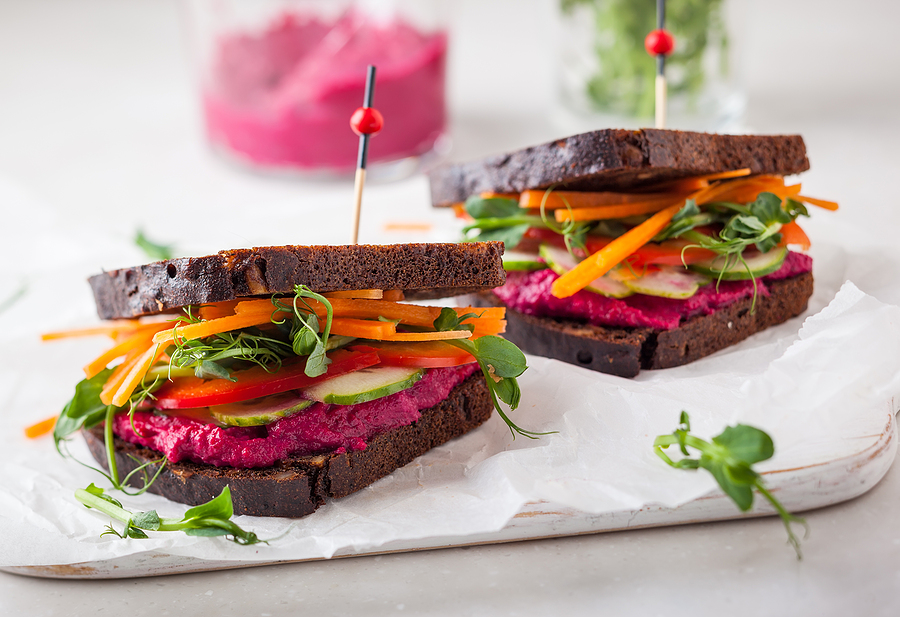
A great boxed lunch provides a complete, satisfying dining experience inside a single package. It combines high-quality ingredients with thoughtful presentation, ensuring the food looks just as appealing as it tastes.

Advantages Over Traditional Buffets

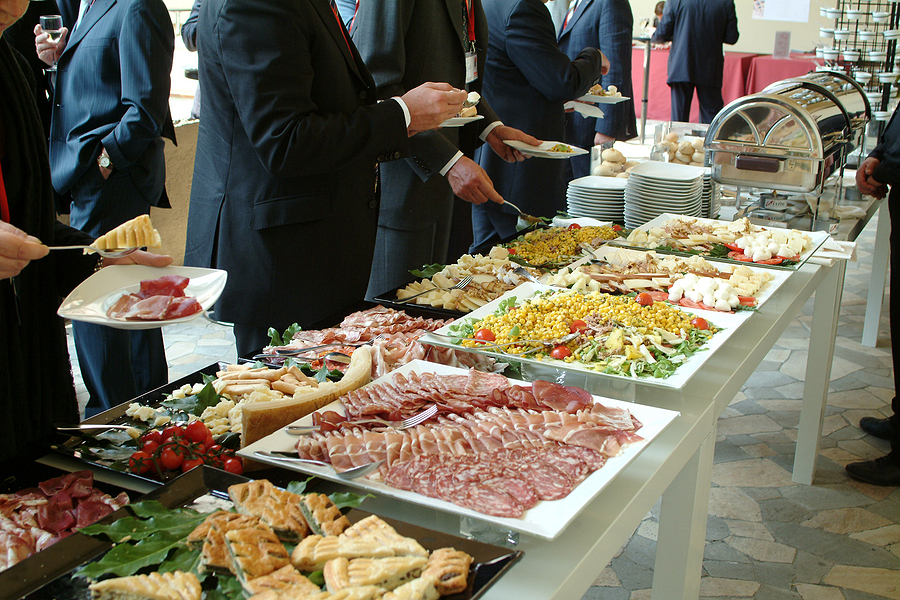
Traditional buffets often sound generous and flexible, but they come with logistical hurdles. Boxed lunches eliminate the need for long lines, allowing meetings to proceed on schedule.

Individual portions also significantly improve health and safety standards. Because each meal is contained and distributed directly to the guest, the risk of cross-contamination from shared serving utensils drops to zero.

Furthermore, this method reduces food waste. Buffets require caterers to over-prepare to ensure the last person in line has the same options as the first. Pre-ordered box lunches provide precise portion control, meaning you only pay for exactly what your group consumes.

Menu Planning for Diverse Tastes

Providing a meal that appeals to everyone requires a thoughtful approach to menu design. A diverse menu ensures that all guests feel valued and cared for, regardless of their specific eating habits.

Accommodating Dietary Restrictions

Food allergies and dietary preferences are an expected part of any group gathering. A successful catering plan proactively addresses these needs. You should always talk to your caterer about alternatives for common restrictions. Providing vegan, vegetarian, gluten-free, and dairy-free options is an essential practice.

Clear allergen labeling is just as important as the food itself. Best practices dictate that every box should be clearly marked with the guest’s name and their specific dietary requirement. This prevents mix-ups during distribution and ensures total safety for guests with severe allergies.

Crafting Balanced Meals

A well-rounded boxed lunch should give attendees the energy they need to power through the rest of their day.

  • Main courses: Sandwiches, wraps, and hearty salads remain the most popular choices. They hold up well during transport and are easy to eat in a conference room setting.
  • Sides: Fresh fruit cups, pasta salads, or artisan chips add texture and flavor to the meal.
  • Desserts: A small, sweet treat, like a freshly baked cookie or brownie, provides a satisfying finish.
  • Beverages: Always include bottled water or a refreshing beverage to complete the package.

Logistics for Seamless Event Execution

The best food in the world won’t matter if it arrives late or goes to the wrong room. Managing the logistics of catering delivery requires clear communication with your food service provider.

Establishing clear ordering and lead times ensures the kitchen has ample time to source ingredients and prepare the meals. Most professional caterers require final headcounts and dietary requests at least 48 to 72 hours before the event.

When discussing delivery and setup, specify exactly where the food needs to go. Large business parks often have multiple entrances and confusing layouts. Providing your caterer with detailed instructions, parking information, and a reliable on-site contact will guarantee a smooth drop-off.

Cost-Effective Catering Solutions

Managing an event budget requires a clear understanding of pricing structures. Boxed lunches typically follow a strict per-person pricing model, which makes budgeting for catering incredibly straightforward.

You can maximize value without compromising on quality by selecting seasonal ingredients or opting for simpler main courses accompanied by premium sides.

Always ask your caterer about potential hidden costs. Delivery fees, setup charges, and premium packaging upgrades can quickly inflate your final bill. A transparent caterer will provide a comprehensive quote that outlines every expense upfront.

The Value of Professional Catering Services

Partnering with a professional catering service takes the heavy lifting off your shoulders. Experienced culinary teams possess the expertise required to handle large-volume food preparation safely. They understand how to maintain strict temperature controls from their kitchen all the way to your boardroom.

Professional caterers also offer menu flexibility. If you have a VIP guest with a highly specific dietary requirement, an experienced chef can easily craft a custom meal that meets their needs. This level of service provides stress-free event planning, allowing organizers to focus on the actual content of the meeting rather than worrying about lunch.

Frequently Asked Questions About Boxed Lunches

How far in advance should I place my catering order?

Most caterers recommend placing your initial order one to two weeks before your event. This secures your date on their calendar. You can usually finalize the exact headcount and specific dietary requests 48 to 72 hours prior to the delivery time.

Can caterers accommodate last-minute changes?

While major overhauls are difficult on short notice, professional caterers always do their best to accommodate minor adjustments. Adding a few extra boxes or making a last-minute swap for a dietary restriction is often possible if you communicate the need as early as possible.

Do catering companies offer delivery and setup services?

Yes. Professional caterers handle the transportation and organize the boxes at your venue. They will sort the meals by type or dietary restriction, ensuring an orderly and efficient distribution process for your guests.

Simplify Your Next Catered Event

Organizing food for a large group demands a solution that is both practical and crowd-pleasing. Boxed lunches deliver fresh ingredients, dietary safety, and streamlined distribution in one highly convenient package. By focusing on menu variety, sustainable packaging, and clear logistics, you can provide a dining experience that leaves your guests energized and appreciated.

Ready to elevate your next corporate gathering or social meeting? Get a free estimate today for boxed lunch catering in Newnan and Peachtree City, Georgia.

Call Now to Place Your Order

Related Post: Top 3 Options for Effortless Corporate Seminar Catering

Why Professional Catering Is the Secret to a Perfect Easter

Spring brings warmer weather, blooming flowers, and the cherished tradition of gathering with loved ones for Easter dinner. But stepping into the role of holiday host can quickly become an overwhelming responsibility. Between planning a cohesive menu, navigating crowded grocery stores, and monitoring oven temperatures, the joy of the holiday often gets lost in the kitchen.

Hosting a large family meal doesn’t have to mean sacrificing your own enjoyment. Handing the culinary responsibilities over to a professional team allows you to step away from the stove and focus on what truly matters.

Understanding how a catered event transforms your holiday is the first step toward a more relaxed celebration. Let’s explore how professional catering can elevate your Easter dinner, reduce your stress, and keep your guests coming back for seconds.

Call 678-340-0510  For Affordable Easter Dinner Catering in Newnan & Peachtree City
Call 678-340-0510 For Affordable Easter Dinner Catering in Newnan & Peachtree City

Claim Your Time Back: Family Over Kitchen Duty

Preparing a holiday feast requires days of intensive planning and hours of continuous cooking. When you manage the meal entirely on your own, you are often tied to the kitchen while your guests mingle in the living room or watch the children hunt for Easter eggs in the yard.

Choosing a professional catering service fundamentally changes the dynamic of your day. You are no longer the frantic chef checking the clock; you become a relaxed host. This shift gives you the freedom to engage in meaningful conversations, participate in family traditions, and actually taste the food you are serving. Your time is a precious resource, and outsourcing the cooking ensures you spend it creating memories rather than washing prep bowls.

How Expert Chefs Elevate Traditional Easter Menus

While family recipes hold nostalgic value, translating those dishes to serve twenty or thirty people can negatively impact their quality. Professional chefs possess the culinary training necessary to scale complex dishes without compromising flavor or presentation.

Quality Ingredients Make the Difference

A major benefit of hiring a professional caterer is their access to premium, restaurant-quality ingredients. Caterers build relationships with local farmers and suppliers, allowing them to source the freshest spring asparagus, artisan cheeses, and high-grade cuts of meat. Instead of settling for picked-over produce at the local supermarket, your Easter table will feature expertly sourced components that make each dish shine.

Diverse Menu Options for Every Guest

Modern family gatherings frequently include a variety of dietary preferences and restrictions. Navigating food allergies, gluten intolerances, and specific lifestyle diets can make menu planning a mathematical nightmare for a home cook.

From Classic Ham to Gourmet Vegetarian

Professional catering teams excel at designing inclusive menus that feel cohesive rather than disjointed. They can beautifully prepare a traditional brown-sugar glazed ham while simultaneously offering gourmet vegetarian or vegan entrees that stand completely on their own.

Whether your guests require dairy-free sides or nut-free desserts, a caterer ensures everyone enjoys a safe, satisfying, and beautifully plated meal. This inclusivity prevents any guest from feeling like an afterthought and relieves you of the burden of cooking multiple separate meals.

The Logistical Perks: Setup, Serving, and Cleanup

The effort required for a holiday dinner extends far beyond the cooking itself. Getting the food to the table at the correct temperature, keeping serving stations organized, and tackling the inevitable mountain of dirty dishes are massive undertakings.

Caterers handle these logistical hurdles with precision. They provide the necessary equipment, such as chafing dishes and warming trays, to keep your food at the optimal temperature throughout the event.

If you opt for a fully staffed catering package, professional servers will manage the flow of the meal, clear empty plates, and maintain a pristine dining environment. When the celebration ends, the team packs up their equipment and cleans the preparation areas, leaving your home exactly as they found it.

Reducing Costs and Food Waste at Large Gatherings

Many hosts assume that cooking everything from scratch is the most cost-effective approach to holiday entertaining. However, purchasing individual, specialty ingredients for a large crowd quickly adds up. Home cooks also tend to overestimate portion sizes out of fear of running out of food, leading to an excessive surplus.

The Hidden Impact of Holiday Food Waste

Over-preparing food has significant environmental and financial consequences. The nonprofit organization ReFED estimates that Americans waste over 300 million pounds of food around Thanksgiving alone, representing hundreds of millions of dollars thrown away. This pattern repeats itself across all major food-centric holidays.

The Environmental Protection Agency (EPA) notes that food waste comprises about 24% of all municipal solid waste sent to landfills. As this food decays, it breaks down quickly and generates methane. In fact, the EPA reports that landfilled food waste is responsible for a staggering 58% of fugitive methane emissions from municipal solid waste landfills.

Professional caterers use precise portion calculation formulas based on your guest count. This meticulous planning significantly cuts down on over-purchasing, minimizing your event’s environmental footprint and keeping your budget in check.

Prioritizing Food Safety with Leftovers

When you do have leftover food, handling it correctly is crucial to prevent foodborne illness. Bacteria grow rapidly in the “danger zone”—the temperature range between 40°F and 140°F. Professional caterers are experts in food safety protocols and will ensure food is kept out of this danger zone during service.

If you are keeping the remaining food, the USDA recommends refrigerating leftovers within two hours of cooking. If your Easter menu includes ham, strict temperature guidelines apply. Raw ham must be cooked to a minimum internal temperature of 145°F and allowed to rest for at least three minutes. If you are reheating a precooked, USDA-inspected ham, it should reach 140°F. However, any leftover or repackaged ham must be reheated to an internal temperature of 165°F.

Leftovers can safely remain in the refrigerator for three to four days or be stored in the freezer for three to four months. A caterer can help you safely package these remnants before they leave, ensuring your family enjoys safe, delicious meals in the days following the holiday.

Tips for Choosing the Right Easter Caterer

Finding the perfect catering partner requires a bit of research. Keep these actionable tips in mind when evaluating your options:

  • Book Early: Spring is a busy season for event professionals. Secure your caterer several months in advance to guarantee their availability. Book Easter catering now!
  • Review Menu Flexibility: Ask potential caterers how willing they are to customize their standard packages to fit your family’s specific dietary needs.
  • Discuss Service Styles: Determine whether you want a formal plated dinner, a casual buffet, or family-style service. Make sure the caterer has experience with your preferred format.
  • Ask About Inclusions: Clarify exactly what the quoted price covers. Does it include plates, silverware, napkins, and cleanup, or are those billed as additional rental fees?

Frequently Asked Questions About Holiday Catering

How far in advance should I finalize my guest count?

Most caterers require a final headcount about one to two weeks before the event. This window gives them enough time to order ingredients and schedule the appropriate number of staff members for your dinner.

Will the caterer prepare the food on-site or deliver it hot?

This depends entirely on the caterer and your home’s kitchen facilities. Many companies prepare the majority of the meal in their commercial kitchens and bring it to your home in specialized warming equipment, completing only final touches on-site.

Can a caterer incorporate my family’s heirloom recipe?

Many independent caterers are happy to recreate a beloved family dish if you provide the recipe in advance. Discuss this during your initial consultation so they can test the recipe and scale it appropriately for your guest list.

Make This Spring Holiday Truly Memorable

Understanding the physical and mental toll of hosting allows you to make choices that better serve your well-being. By trusting a culinary professional with your Easter dinner, you eliminate the stress of planning, cooking, and cleaning. Instead, you gain hours of precious time to connect with your family, participate in the festivities, and celebrate the arrival of spring in total comfort.

If you are planning an upcoming holiday gathering in Newnan or Peachtree City, Georgia, let our dedicated team take the stress off your plate. Contact us today to discuss professional catering options that will make your Easter dinner a seamless, delicious, and unforgettable experience.

Call Now to Place Your Order

Related Post: 5 Fuss Free Make Ahead Egg-Cellent Easter Appetizers

How to Plan Event Catering: A Complete Guide

Food is often the first thing guests remember about an event—and the first thing they notice when it falls short. Whether you’re organizing a wedding reception, a corporate luncheon, or a milestone birthday celebration, the catering experience shapes how your guests feel about the entire event.

Getting it right requires more than choosing a menu. From settling on a service style to managing dietary needs and coordinating with your venue, event catering planning involves a series of decisions that build on each other. This guide walks you through each step so you can move forward with confidence.

Call 678-340-0510  For Event Catering in Newnan Georgia
Call 678-340-0510 For Event Catering in Newnan Georgia

Understanding Your Event’s Catering Needs

Start by defining what your event actually requires. The nature of your event—its tone, size, setting, and purpose—should drive every catering decision that follows.

Ask yourself: Is this a formal sit-down dinner or a casual outdoor gathering? Will guests mingle throughout the night, or will they be seated for the duration? Are there cultural or religious considerations that should shape the menu?

Answers to these questions form the foundation of your catering brief. Before contacting any caterer, have your event date, venue location, estimated guest count, and general budget range ready. The clearer your vision, the more accurate and useful any proposal will be.

Choosing the Right Catering Style

Your service style affects cost, atmosphere, staffing needs, and guest flow. The main options include:

  • Buffet: Guests serve themselves from a spread of dishes. This style works well for casual or semi-formal events and is generally one of the more cost-effective options, typically ranging from $25–$50 per person.
  • Plated service: A formal option where servers bring courses directly to guests. Best for weddings and gala dinners, with costs typically ranging from $50–$120 per person.
  • Food stations: Interactive stations (think taco bars or carving stations) encourage mingling and provide variety. Popular for cocktail receptions and corporate events.
  • Family-style: Large platters are placed on the table for guests to share, creating a warm, communal feel at a moderate price point.
  • Drop-off catering: Food is delivered ready-to-serve with no on-site staff. A budget-friendly choice for smaller, informal events, generally priced at $12–$20 per person.

Think about your guest count, the formality of the occasion, your available space, and your budget when weighing these options.

Determining Guest Count and Budget

An accurate headcount is one of the most important inputs in your catering plan. It affects food quantities, staffing levels, equipment needs, and total cost. Send RSVPs with a firm deadline and add a small buffer—most planners recommend planning for 5–10% more guests than confirmed.

On the budget side, several factors influence your final catering bill beyond the per-person rate:

  • Number of courses (a three-course meal costs more than a single main)
  • Menu complexity and ingredient quality
  • Alcohol service (beer and wine service typically runs $15–$25 per person; a full open bar ranges from $30–$50 per person)
  • Rentals, staffing, and equipment
  • Event date and location (weekends, holidays, and remote venues often carry premium pricing)

Always request an itemized quote from your caterer so you know exactly what is and isn’t included. Hidden fees—like gratuity, delivery charges, or overtime—can significantly impact your final total.

Essential Questions to Ask Your Caterer Before Booking

Before signing a contract, gather the information you need to make a fully informed decision. The most important questions to ask include:

  • What’s included in the price? (staffing, rentals, setup, cleanup, gratuity)
  • Can you accommodate dietary restrictions?
  • Is a tasting session available before the event?
  • How many staff members will be on-site, and what are their roles?
  • How early will your team arrive to set up? (Most caterers arrive 1–3 hours before the event)
  • What is your cancellation and refund policy?
  • Can you work within our venue’s facilities and limitations?
  • How far in advance should we finalize the guest count and menu?

For weddings and large events, most caterers recommend booking 6–12 months in advance. Smaller gatherings typically require at least 4–8 weeks of lead time, particularly during peak seasons.

Managing Dietary Restrictions and Special Menu Needs

Overlooking dietary needs is one of the most common—and easily avoidable—catering mistakes. A guest who can’t eat anything at your event will remember that long after the evening ends. Start by including a dietary preferences field on your RSVP. Common restrictions to plan for include gluten-free, vegetarian, vegan, nut allergies, dairy-free, and halal or kosher requirements. Share this information with the catering company as early as possible.

Reputable event caterers will accommodate a range of dietary needs, but it’s worth confirming how they handle cross-contamination for guests with severe allergies. Ask whether allergen-friendly dishes are prepared in a separate area and how staff are trained to communicate ingredients to guests.

When possible, opt for menus that naturally accommodate multiple needs—roasted vegetables, grain salads, and grilled proteins can often satisfy several dietary preferences without requiring separate, isolated dishes.

Venue Logistics: Coordinating With the Kitchen and Staff

Even the best menu can run into problems if the venue isn’t set up to support it. Coordinate closely with both your venue and caterer to ensure there are no surprises on the day.

Key logistics to confirm include:

  • Kitchen access: Does the venue have a full commercial kitchen, a warming kitchen, or no kitchen at all? This affects what your caterer can realistically prepare on-site.
  • Setup and breakdown windows: Confirm how much time the caterer has before and after the event. Setup for large events can require 2–3 hours or more.
  • Power and equipment: Are there adequate power outlets for chafing dishes, warming equipment, and stations? What rentals does the caterer provide versus what the venue supplies?
  • Service flow: Map out how guests will move through the space—especially for buffets and stations—to prevent bottlenecks.
  • Alcohol permits: If alcohol is being served, confirm who holds the required license and whether the venue has any restrictions on outside bar service.

Good caterers have experience working in a variety of venue setups and will flag potential issues early. Don’t hesitate to arrange a site visit with your catering team before the event.

Frequently Asked Questions About Event Catering

How much does catering cost per person?

Catering costs vary widely. Buffet-style service typically runs $25–$50 per person, while plated meals range from $50–$120 per person. Drop-off catering is the most affordable option at $12–$20 per person. Factors like menu complexity, staffing, alcohol, and event formality all affect the final price.

How far in advance should I book a caterer?

For weddings and large events, book 6–12 months ahead. For smaller gatherings, aim for at least 4–8 weeks in advance—more if your event falls on a weekend or during a busy season.

What should I have ready before contacting a caterer?

Have your event date, venue location, estimated guest count, budget range, and a general sense of the event’s style and menu preferences ready before your first conversation.

Can caterers handle events of different sizes?

Yes. Most professional caterers work across a wide range of event sizes—from intimate dinners of 20 guests to large-scale events serving hundreds. Be upfront about your expected guest count so the caterer can staff and plan accordingly.

What’s the difference between full-service catering and drop-off?

Drop-off catering delivers food ready-to-serve, with no on-site staff. Full-service catering includes setup, staffing, service throughout the event, and cleanup—making it better suited for formal or large events where presentation and logistics matter.

Is it possible to reduce catering costs without sacrificing quality?

Yes. Choosing a buffet or family-style service over plated meals, selecting seasonal ingredients, reducing the number of courses, and hosting the event on a weekday are all practical ways to lower costs without compromising the guest experience.

Ready to Plan Your Event in Peachtree City or Newnan?

Catering an event well takes preparation, clear communication, and the right partner on your side. When you understand your needs, ask the right questions, and plan ahead, the food becomes one of the highlights—not a logistical headache.

If you’re planning an event in Peachtree City or Newnan, Georgia, our catering team is here to help. From intimate gatherings to large-scale celebrations, we’ll work with you to create a menu and service experience your guests will remember. Contact us today to start planning your event.

Call Now to Learn More

Related Post: Top Catering Service Options That Will Elevate Your Next Event

Spring Wedding Catering Menu Planning Guide

Planning the perfect spring wedding requires attention to countless details, but your catering menu is one of the most essential elements to get right. Spring is a season of renewal and vibrant flavors, offering the ideal opportunity to craft a menu that delights your guests and complements the seasonal atmosphere.

From fresh, locally-sourced ingredients to light and refreshing dishes, designing a catering menu that aligns with the warmth and elegance of your big day can set the tone for an unforgettable celebration. This guide will walk you through everything you need to create a curated dining experience that reflects your vision and satisfies every palate with ease.

TL;DR:

  • Planning a spring wedding menu requires balancing seasonal freshness with guest preferences and budget considerations.
  • Focus on locally sourced spring produce like asparagus, strawberries, and fresh herbs.
  • Calculate approximately 6 appetizers per guest and 1.5 servings per person for buffet entrees.
  • Keep hot foods above 140°F and cold foods below 40°F, following the 2-hour rule (1 hour if temperatures exceed 90°F).
  • Pair light dishes with crisp wines and floral cocktails and save money by choosing in-season ingredients over imported alternatives.

Key Takeaways:

  • Seasonal ingredients deliver peak flavor and lower costs
  • Guest count planning ensures adequate portions without waste
  • Food safety protocols are essential for outdoor spring events
  • Beverage pairings should complement lighter spring fare
  • Budget-conscious choices don’t mean sacrificing quality

Table of Contents:

  1. Introduction: Why Your Spring Wedding Menu Matters
  2. Choosing Seasonal Spring Flavors
  3. Balancing Your Wedding Menu
  4. Essential Beverage Pairings
  5. Budgeting for Your Catering
  6. FAQ: Spring Wedding Catering Questions
  7. Quick Recap
  8. Conclusion
  9. Get a Wedding Catering Quote in Peachtree
Call 678-340-0510  For Spring Wedding Catering in and around Newnan Georgia
Call 678-340-0510 For Spring Wedding Catering in and around Newnan Georgia

Why Your Spring Wedding Menu Matters

Spring weddings in Georgia offer a unique opportunity to celebrate new beginnings surrounded by blooming landscapes and comfortable weather. Your catering menu plays a central role in creating memorable experiences for your guests, reflecting both the season’s freshness and your personal style.

A well-planned spring menu does more than satisfy hunger. It sets the tone for your celebration, accommodates diverse dietary needs, and creates conversation among guests. The challenge lies in balancing seasonal authenticity with practical considerations like guest count, food safety, and budget constraints.

Understanding how to navigate these elements ensures your wedding menu becomes a highlight rather than a source of stress.

Choosing Seasonal Spring Flavors

Spring offers an abundance of fresh, locally sourced ingredients that deliver exceptional flavor while supporting cost-effective menu planning. Georgia’s spring season brings peak availability of produce that naturally complements celebratory dining.

Asparagus reaches its tender best from March through May, while strawberries offer sweet brightness to both savory and dessert applications. Fresh peas, artichokes, and leafy greens provide vibrant colors and delicate textures.

Herbs like dill, parsley, and mint flourish during spring months, adding aromatic depth to dishes without heavy sauces. Consider incorporating these seasonal elements into signature items:

  • Spring vegetable tarts with goat cheese and fresh herbs
  • Grilled salmon with cherry salsa
  • Asparagus and lemon risotto
  • Strawberry and arugula salad with balsamic reduction

In-season ingredients not only taste better but also reduce transportation costs and environmental impact. Local farmers’ markets in the Peachtree City and Newnan area offer direct access to the freshest spring produce, allowing you to plan menus around what’s truly at its peak.

When designing your menu, think about how seasonal flavors can reflect the renewal and growth that spring represents. Light preparations that allow ingredients to shine work particularly well during warmer months when guests appreciate refreshing rather than heavy fare.

Balancing Your Wedding Menu

A well-balanced wedding menu accommodates diverse preferences by offering varied protein options, substantial vegetarian dishes, and appropriate portion sizes based on your guest count. Guest count planning forms the foundation of successful catering.

For cocktail-style receptions, calculate approximately 6 appetizer pieces per guest. If appetizers precede a full meal, reduce this to 2-3 pieces per person. For buffet-style service, plan for 1.5 servings per guest to account for varying appetites and the popularity of certain dishes.

Protein selections should span multiple categories to satisfy different tastes. Spring menus work beautifully with lighter proteins like chicken, fish, and shellfish. A sample balanced approach might include:

  • Herb-crusted chicken breast with spring vegetable medley
  • Grilled rockfish with lemon butter sauce
  • Seasonal vegetable ratatouille for vegetarian guests

Plant-based options deserve equal attention in menu planning. Dishes featuring seasonal vegetables, grains, and legumes appeal to vegetarian and vegan guests while offering lighter alternatives for all attendees. Ensure these options deliver satisfying portions and flavors rather than appearing as afterthoughts.

Side dishes should complement entrees while showcasing spring’s bounty. Roasted spring vegetables with rosemary, fresh green salads, and herb-infused rice pilaf provide colorful accompaniment without overwhelming the plate.

When finalizing portions, include your vendors and catering staff in your guest count. This consideration ensures everyone at your event receives proper service and nutrition throughout the celebration.

Essential Beverage Pairings

Light wines, craft beers, and floral cocktails complement spring wedding menus by enhancing fresh flavors without overpowering delicate seasonal dishes. Spring’s lighter fare pairs naturally with crisp, refreshing beverages.

White wines like Sauvignon Blanc and Pinot Grigio offer clean acidity that balances vegetable-forward dishes and seafood selections. For guests who prefer red wine, lighter options like Pinot Noir work well with chicken and herb preparations.

Champagne and sparkling wines deserve prominent placement at spring celebrations. Beyond traditional toasts, consider offering Bellinis (champagne with peach puree) or allowing guests to customize mimosas with various fresh fruit juices and garnishes.

Signature cocktails provide opportunities to incorporate seasonal elements while creating memorable moments. Spring cocktail ideas include:

  • Lavender lemonade with vodka
  • Strawberry basil mojitos
  • Cucumber mint gin fizz
  • Elderflower spritz

For beverage quantity planning, calculate approximately 1.5 drinks per guest per hour. A standard alcohol distribution for open bars follows a 50% wine, 20% beer, and 30% liquor ratio, though you can adjust based on your specific guest demographics and preferences.

Non-alcoholic options deserve equal attention. Plan for 2 gallons of beverages per guest, including both water and other options like iced tea, lemonade, or fruit-infused water. Spring’s warmer weather increases hydration needs, particularly for outdoor venues.

Budgeting for Your Catering

Choosing in-season ingredients and making strategic menu decisions can significantly reduce catering costs without compromising quality or guest satisfaction.

Seasonal produce naturally costs less due to local availability and reduced transportation expenses. A spring menu built around asparagus, strawberries, and local greens will be more budget-friendly than one requiring imported or out-of-season items.

Consider these cost-saving strategies while maintaining menu quality:

  • Protein selections: Chicken and seasonal fish typically offer better value than beef or lamb. Incorporating one premium protein option alongside more economical choices allows budget flexibility while still providing variety.
  • Interactive stations: Food stations featuring made-to-order items like pasta bars or taco stations create memorable experiences while controlling portions more effectively than traditional plated service.
  • Grazing tables: Artfully arranged cheese, charcuterie, and produce displays provide visual impact and encourage mingling while stretching your catering budget through creative presentation rather than sheer volume.
  • Dessert alternatives: Instead of elaborate individual plated desserts, consider passed dessert bites or a combination of wedding cake with complementary mini treats. This approach offers variety while managing costs per serving.
  • Beverage choices: Offering signature cocktails alongside beer and wine creates a curated bar experience at lower cost than a full premium open bar. Select two or three seasonal cocktails that complement your menu rather than stocking every possible spirit.

When reviewing catering proposals, ask about package deals that bundle services like setup, service staff, and rentals. Many wedding caterers offer better rates for comprehensive packages than individual à la carte selections.

FAQ: Spring Wedding Catering Questions

How do I keep food safe at an outdoor spring wedding?

Follow USDA food safety guidelines carefully for outdoor events. Hot foods must stay above 140°F, while cold foods must remain below 40°F. The “danger zone” between 40°F and 140°F allows bacteria to multiply rapidly. Never leave perishable foods at room temperature for more than 2 hours—or 1 hour if outdoor temperatures exceed 90°F. Work with your caterer to ensure proper heating equipment (chafing dishes, warming trays) and cooling methods (ice baths, refrigerated displays) maintain safe food temperatures throughout your reception.

How many appetizers should I plan per guest?

Calculate 6 appetizer pieces per guest for cocktail-style receptions. If appetizers serve as a prelude to a full meal, reduce this to 2-3 pieces per person. Vary your appetizer selection by offering one different option for every 40 pieces needed. For 120 appetizers, choose 3 different varieties to provide guests with appealing choices without overwhelming preparation requirements.

What dietary restrictions should I accommodate?

Modern wedding planning requires consideration of vegetarian, vegan, gluten-free, and dairy-free options. Survey your guests during the RSVP process to determine specific needs. Work with your caterer to ensure restricted-diet options match the quality and presentation of standard menu items rather than appearing as lesser alternatives. Clearly label buffet items with ingredient information to help guests make informed choices.

How much alcohol should I provide?

Plan for approximately 1.5 drinks per guest per hour of your reception. A typical alcohol distribution follows a 50% wine, 20% beer, and 30% liquor ratio. Adjust this based on your guest demographics—younger crowds may prefer more beer and cocktails, while older guests often favor wine. Morning and early afternoon receptions generally see lower alcohol consumption than evening celebrations.

Can I incorporate family recipes into my catering menu?

Many caterers welcome opportunities to include meaningful family recipes in wedding menus. Discuss this possibility early in your planning process, as some dishes may require advance testing to ensure they scale appropriately for large guest counts and maintain food safety standards. Your caterer can often adapt cherished recipes or create complementary dishes that honor family traditions while meeting professional service requirements.

Quick Recap:

  • Select seasonal produce like asparagus, strawberries, peas, and fresh herbs for peak flavor and value.
  • Calculate portions carefully: 6 appetizers per guest for cocktail receptions; 1.5 servings per guest for buffets.
  • Maintain food safety: Keep hot foods above 140°F and cold foods below 40°F; follow the 2-hour rule (1 hour above 90°F).
  • Offer diverse options: Include multiple proteins, substantial vegetarian dishes, and accommodations for dietary restrictions.
  • Choose appropriate beverages: Light wines, seasonal cocktails, and adequate non-alcoholic options (2 gallons per guest).
  • Estimate alcohol needs: Plan 1.5 drinks per guest per hour; stock 50% wine, 20% beer, 30% liquor for open bars.
  • Budget strategically: Prioritize in-season ingredients, consider interactive stations, and explore package deals.
  • Communicate with your caterer: Discuss guest counts, dietary needs, outdoor considerations, and special requests early.

Creating Your Perfect Spring Wedding Menu

Planning your spring wedding menu involves balancing seasonal inspiration with practical considerations. By focusing on fresh, locally sourced ingredients and working closely with experienced catering professionals, you can create a dining experience that delights your guests while managing budget and logistics effectively.

The key to successful spring wedding catering lies in embracing the season’s natural abundance, planning portions thoughtfully, and maintaining proper food safety protocols for outdoor celebrations.

Ready to bring your spring wedding vision to life? Contact our professional catering services in Peachtree City, Georgia, to discuss how seasonal menus, expert planning, and attentive service can make your celebration truly unforgettable.

Call Now to Inquire

Related Post: How to Optimize Your Spring Wedding Catering Menu

Romantic Valentine’s Dinner Ideas at Home

TL;DR: Discover simple yet elegant Valentine’s Day dinner ideas to create a romantic at-home date night. From appetizers to desserts, explore recipes, tips, and catering options for a stress-free evening.

Key Takeaways:

  • Plan a balanced menu with easy-to-prepare dishes.
  • Set the ambiance with decor and music.
  • Consider catering options for a gourmet experience without the work.

Table of Contents:

  1. Appetizer Ideas: Easy & Elegant
  2. Main Course: Quick Gourmet Recipes
  3. Side Dishes: Complement Your Meal
  4. Decadent Desserts: Sweet Endings
  5. Setting the Mood: Ambiance Tips
  6. Catering Option: Food For Thought
  7. Valentine’s Day Dinner FAQs
  8. Quick Recap

Securing a reservation on February 14th often feels more like a competitive sport than a romantic gesture. Between the fixed-price menus, crowded dining rooms, and the rush to finish your meal before the next seating, the actual romance can easily get lost in the chaos. This is why more couples are turning their attention inward, choosing to celebrate the occasion within the comfort and intimacy of their own homes.

Hosting a dinner date at home allows you to control every aspect of the evening, from the lighting and playlist to the pacing of the meal. It eliminates the stress of traffic and parking, replacing them with the luxury of lingering over dessert or opening a second bottle of wine without worrying about the bill. However, the prospect of cooking a multi-course meal can be daunting, especially if you want everything to be perfect.

Creating a memorable evening doesn’t require a culinary degree or days of preparation. With a thoughtful plan and a focus on quality ingredients, you can orchestrate a dining experience that rivals any high-end restaurant. This guide provides a curated selection of recipes, ambiance tips, and professional shortcuts to ensure your Valentine’s Day is both impressive and stress-free.

Call 678-340-0510  to Order Delicious Valentine's Day Takeout in Newnan Georgia
Call 678-340-0510 to Order Delicious Valentine’s Day Takeout in Newnan Georgia

Ways to Celebrate a Valentine’s Date Night at Home

Appetizer Ideas: Easy & Elegant

The appetizer sets the tone for the entire meal. It should be flavorful enough to wake up the palate but light enough that it doesn’t spoil your appetite for the main course. The key here is simplicity; you don’t want to spend the first hour of your date stuck in the kitchen while your partner sits alone.

Bruschetta with Tomato and Basil

This classic Italian starter relies on freshness. Use high-quality crusty bread, ripe tomatoes, fresh basil, and your best extra virgin olive oil. Rubbing a clove of raw garlic on the toasted bread before topping it adds a subtle, savory depth without overwhelming the other flavors.

Caprese Skewers

For a lighter option that requires zero cooking, thread cherry tomatoes, fresh mozzarella balls, and basil leaves onto small skewers. Drizzle with a balsamic glaze for a professional finish. This dish offers a sophisticated presentation and allows you to prep it well in advance, leaving you free to focus on your guest.

Cheese and Fruit Board

If cooking isn’t your strength, a curated board is an excellent alternative. Pair sharp cheeses like aged cheddar or gouda with sweet elements like grapes, figs, or sliced pears. Add a few artisanal crackers, and you have a visually stunning starter that encourages sharing and conversation. Want to turn the luxury up a notch? Try a seacuterie board!

Main Course: Quick Gourmet Recipes

The main course is the centerpiece of your evening. While you want it to feel special, choose recipes that don’t require constant attention at the stove.

Pan-Seared Steak

A high-quality cut of beef, such as a ribeye or filet mignon, needs very little dressing up. Sear it in a hot skillet with butter, garlic, and fresh herbs like rosemary or thyme.

To ensure food safety and quality, the USDA recommends cooking beef steaks to a minimum internal temperature of 145°F (62.8°C). Crucially, you must allow the meat to rest for at least 3 minutes after removing it from the heat. This resting period allows the juices to redistribute, ensuring every bite is tender and flavorful.

Herb-Crusted Salmon

Salmon is an excellent choice for a romantic dinner because it cooks quickly and feels luxurious. Coat fresh fillets with a mixture of breadcrumbs, lemon zest, and dill, then bake until flaky. According to food safety guidelines, fish should be cooked to an internal temperature of 145°F (62.8°C) or until the flesh is opaque and separates easily with a fork.

Lemon Herb Pasta

For a vegetarian option or a lighter main, pasta tossed with a bright lemon sauce and fresh parsley is elegant and satisfying. Use fresh pasta if available, as it cooks in minutes and has a superior texture.

Side Dishes: Complement Your Meal

Side dishes should support the main protein without competing for attention.

Garlic Mashed Potatoes

Garlic Mashed Potatoes

Creamy mashed potatoes are the ultimate comfort food. Use Yukon Gold potatoes for a naturally buttery texture and whip them with warm milk and roasted garlic for a side dish that feels decadent.

Asparagus with Parmesan

Roasting vegetables brings out their natural sweetness. Toss asparagus spears in olive oil, salt, and pepper, roast them until tender-crisp, and finish with freshly grated parmesan cheese.

Quinoa Salad

If you are serving a heavier main course like steak, a cold quinoa salad with cucumber, feta, and a lemon vinaigrette provides a refreshing contrast and adds a healthy element to the menu.

Decadent Desserts: Sweet Endings

Valentine’s Day is synonymous with sweets. However, after a savory meal, you might prefer something that isn’t overly heavy.

Chocolate-Covered Strawberries

This is perhaps the most iconic Valentine’s dessert for a reason. It pairs the richness of dark chocolate with the acidity of fresh fruit. Make them earlier in the day to give the chocolate time to set.

Mini Cheesecakes

Individual portions always feel more special. You can make these in a muffin tin and top them with fruit compote or chocolate shavings. They can be made a day ahead, saving you stress on the night of.

Lava Cakes

If you want to impress, a chocolate lava cake with a molten center is a showstopper. Despite their complex appearance, they are surprisingly straightforward to bake. Serve warm with a scoop of vanilla bean ice cream for the perfect hot-cold contrast.

Lava Cake for Valentine's Day
Lava Cake for Valentine’s Day

Setting the Mood: Ambiance Tips

The food is only one part of the equation. To truly transform your home into a romantic venue, you must address the atmosphere.

  • Lighting: Turn off overhead lights. They are often too harsh for a romantic setting. Instead, rely on table lamps and plenty of candles. The flickering light of a candle creates an immediate sense of intimacy and warmth.
  • Music: Create a playlist in advance. Choose tracks that are meaningful to your relationship or opt for instrumental jazz or acoustic covers. Keep the volume low enough that it fills the silence but doesn’t force you to raise your voices to speak.
  • Table Setting: Break out the good dinnerware. Using cloth napkins, polished silverware, and perhaps a simple floral centerpiece signals that this is not just another Tuesday night dinner; it is an occasion.

Valentine’s Day Dinner FAQs

How do I time the meal correctly?

Read through your recipes beforehand. Identify steps that can be done in advance, like chopping vegetables or marinating meat. Start cooking the item that takes the longest first. Ideally, choose dishes that can be kept warm in the oven so you aren’t rushing to plate everything simultaneously.

What if my partner has food allergies?

Safety is the priority. Always confirm allergies well in advance. If you are ordering from a service like Food For Thought Catering, communicate these restrictions clearly when you call. When cooking at home, stick to whole ingredients where you have full control over additives and cross-contamination.

Can I substitute ingredients in these recipes?

Absolutely. Cooking is an art, not a science (except for baking). If a recipe calls for asparagus but you can only find green beans, make the swap. Use the recipes as a guideline, but trust your palate and availability.

Quick Recap:

  • Menu Planning: Balance your meal with a light appetizer, a manageable main course, and a sweet dessert.
  • Food Safety: Cook meats to USDA-recommended temperatures (145°F for steaks and fish) to ensure a safe dining experience.
  • Ambiance: Use lighting and music to shift the atmosphere from “home” to “date night.”
  • Outsource: Don’t hesitate to use professional help. Catering services like Food For Thought can provide the food while you provide the company.

Happy Valentine’s

The perfect Valentine’s Day isn’t defined by the price of the wine or the complexity of the sauce. It is defined by the quality of the connection you share. By preparing a thoughtful meal—or ordering a delicious one—you create a space where that connection can flourish, free from the distractions of the outside world.

Whether you choose to sear a steak yourself or pick up a chef-prepared meal, the effort you put into planning the evening will speak volumes.

Ready for a stress-free Valentine’s Day? Order professional catering take-out from Food For Thought Catering’s Kitchen To-Go menu in Newnan, Georgia. Experience delicious meals without the hassle. Call now to place your order!

View Our Take-Out Menu

Related Post: Creative Dinner Ideas for a Memorable Valentine’s Day at Home

One-Pot Wonders: Simple Meals to Keep You Cozy This Winter

There is a distinct shift in the air when winter settles in. The days grow shorter, the temperatures drop, and the desire to hibernate becomes almost instinctive. During these months, our culinary cravings often pivot from fresh, crisp salads to something far more substantial. We yearn for warmth—not just from our heating systems, but from the food we eat.

This is the season of the one-pot meal. Whether it is a simmering Dutch oven on the stove or a trusty skillet baking in the oven, one-pot cooking offers a sanctuary of flavor and simplicity. It allows home cooks to create deeply nourishing dishes without the chaos of a cluttered kitchen. By consolidating ingredients into a single vessel, flavors marry more intensely, resulting in meals that taste like they took all day to prepare, even if they came together in under an hour.

Call 678-340-0510  For Catered Meals in Peachtree City Georgia
Call 678-340-0510 For Catered Meals in Peachtree City Georgia

The Undeniable Benefits of One-Pot Cooking

Embracing this style of cooking during the colder months offers advantages that extend beyond taste. It is a practical approach to weeknight dinners that respects both your time and your energy levels.

Minimal Cleanup Required

Perhaps the most persuasive argument for one-pot meals is the aftermath—or lack thereof. Traditional multi-course meals often leave a sink full of sauté pans, boiling pots, and colanders. By preparing your proteins, grains, and vegetables in one vessel, you drastically reduce the cleanup time. This means less time scrubbing dishes and more time enjoying the cozy evening you have created.

Time-Saving Efficiency

Winter evenings can feel fleeting. One-pot meals streamline the cooking process. Instead of managing three different burners and timing various components to finish simultaneously, you layer ingredients into one pot and let heat do the heavy lifting. Many of these recipes are “set it and forget it,” allowing you to decompress while dinner practically makes itself.

Hearty, Warming Nutrition

Winter is a time when our bodies naturally crave denser, warmer foods. One-pot meals like stews and casseroles excel at retaining heat and moisture. This cooking method ensures that vitamins and minerals from vegetables aren’t lost in drained water but are instead retained in the nutrient-rich broths and sauces that form the base of your meal.

Recipe 1: Cozy Tomato Soup with Grilled Cheese Croutons

January is National Soup Month, making this recipe one to try right away. This isn’t the canned soup of your childhood. Homemade tomato soup, when done right, is rich, velvety, and deeply savory. The addition of grilled cheese “croutons” transforms a simple side dish into a complete, satisfying meal.

The Method:

Begin by melting butter in a large pot or Dutch oven. Add diced onions and minced garlic, sautéing until they are soft and translucent but not browned. This aromatic base is crucial for depth of flavor.

Add two 28-ounce cans of whole peeled tomatoes (San Marzano variety is recommended for sweetness) and a quart of vegetable or chicken broth. Bring the mixture to a simmer and let it cook gently for about 30 to 40 minutes. The longer it simmers, the more the acidic edge of the tomatoes will mellow.

While the soup simmers, prepare simple grilled cheese sandwiches using sourdough bread and sharp cheddar. Once they are golden and crispy, cut them into 1-inch cubes.

Finish the soup by using an immersion blender to purée it until smooth. Stir in a splash of heavy cream for richness, season with salt and pepper, and serve immediately, topped generously with your grilled cheese croutons.

Tomato Soup & Grilled Cheese on Sourdough

Recipe 2: Hearty Lentil and Vegetable Stew

Lentils are a powerhouse of nutrition, packed with protein and fiber that provide sustained energy during sluggish winter days. This stew is robust, earthy, and incredibly forgiving.

The Method:

In a large pot, sauté carrots, celery, and onions (a classic mirepoix) in olive oil until tender. Add dried thyme and a bay leaf to release their essential oils.

Rinse brown or green lentils thoroughly and add them to the pot along with vegetable broth. Unlike dried beans, lentils do not require soaking and will cook relatively quickly. Bring the pot to a boil, then reduce heat to a low simmer. Cover and cook for about 20 to 30 minutes, or until the lentils are tender but still hold their shape.

For a nutritional boost, stir in chopped kale or spinach in the final few minutes of cooking—the residual heat will wilt the greens perfectly. Serve this stew with a slice of crusty bread to soak up the savory broth.

Lentil Vegetable Soup
Lentil Vegetable Stew

Request a Free Quote for Professional Catering in Peachtree City

Recipe 3: Creamy Chicken and Rice Casserole

This dish is the epitome of comfort food. It combines tender poultry, fluffy rice, and a creamy sauce into a single baking dish, creating a texture that is soothing and flavors that are universally loved.

The Method:

Preheat your oven to 375°F (190°C). In a large oven-safe skillet or Dutch oven, sear chicken thighs (which stay juicier than breasts) until the skin is golden brown. Remove the chicken and set it aside.

In the rendered fat, sauté onions and garlic. Add long-grain white rice and toast it slightly in the pan for a nutty flavor. Pour in chicken broth and a splash of cream or milk. Nestle the chicken thighs back into the rice mixture.

Cover the pot tightly with a lid or foil and bake for 35 to 45 minutes. It is critical to ensure the chicken reaches a safe internal temperature of 165°F (74°C) as recommended by USDA food safety guidelines. Let the casserole rest for 5 to 10 minutes before serving; this allows the rice to absorb any remaining liquid and the juices to redistribute within the chicken.

Chicken & Rice Casserole

Recipe 4: Sausage and White Bean Skillet

For those nights when you need dinner on the table in 30 minutes, this skillet meal delivers complex flavors with minimal effort. It relies on the richness of sausage and the creaminess of cannellini beans.

The Method:

Heat a large skillet over medium-high heat. Remove the casings from Italian sausages (sweet or spicy, depending on your preference) and crumble the meat into the pan. Cook until browned and fully cooked through.

Lower the heat and add minced garlic and rosemary. Stir in two cans of drained and rinsed cannellini beans. Add a cup of chicken broth and let the mixture simmer rapidly. As it cooks, use the back of your spoon to crush some of the beans—this releases their starch and naturally thickens the sauce without needing flour or cornstarch.

Finish by stirring in fresh lemon juice and a handful of parmesan cheese. The acid from the lemon cuts through the richness of the sausage, creating a perfectly balanced dish.

White Bean Stew
White Bean Stew

Tips for Customizing Your One-Pot Meals

The beauty of one-pot cooking lies in its adaptability. You don’t need to follow recipes rigidly to achieve a delicious result.

  • Swap Your Proteins: If a recipe calls for chicken thighs, you can easily substitute drumsticks or even firm tofu for a vegetarian option. Just be mindful that cooking times may vary.
  • Utilize Seasonal Vegetables: Winter root vegetables like parsnips, turnips, and sweet potatoes hold up well in long-simmering stews. If you have wilting greens in the fridge, toss them into soups or skillets right before serving to reduce waste.
  • Build Flavor Layers: Always start by sautéing aromatics (onions, garlic, celery) and searing proteins. This develops a fond—the browned bits at the bottom of the pan—which is the foundation of deep flavor.
  • Acid is Key: If a dish tastes “flat” despite being well-salted, it likely needs acid. A squeeze of lemon juice, a splash of vinegar, or a dollop of yogurt can brighten heavy winter dishes instantly.

Wrapping Up

Winter is a season that asks us to slow down. Your cooking routine should reflect that pace. By turning to one-pot meals, you are choosing a method that nourishes your body with wholesome ingredients while respecting your need for rest and simplicity. Gather your ingredients, choose your favorite pot, and let the warmth of a home-cooked meal carry you through the cold season.

You can also let someone else handle the cooking for you.While one-pot meals simplify home cooking, sometimes you need a break from the kitchen entirely.

If you are looking for professional catering or meal preparation services in Newnan or Peachtree City, Georgia, we are here to help. Whether you are hosting a holiday gathering or simply need nutritious meals ready for the week, our team creates exceptional food so you can focus on what matters most. Contact Us Today to discuss your menu.

Place Your Call Now

Related Post: Warm Up Your Holiday Party with These Comfort Food Dinner Ideas

Celebrate National Keto Day: A Guide to Smarter Eating

January 5th marks National Keto Day, a time dedicated to recognizing one of the most popular and transformative dietary approaches in modern nutrition. While many health trends come and go with the seasons, the ketogenic diet has established firmly rooted staying power, largely due to its focus on metabolic health and sustained energy. Whether you are a long-time practitioner of the low-carb lifestyle or simply curious about the buzz, this day offers the perfect opportunity to evaluate your eating habits and explore how fueling with fats can impact your well-being.

At its core, the ketogenic diet is about more than just cutting carbohydrates; it is a metabolic shift that encourages your body to burn fat for fuel instead of glucose. This process, known as ketosis, can lead to profound changes in how you feel and function daily. By significantly reducing carbohydrate intake and replacing it with healthy fats and adequate protein, many individuals report not only weight management success but also improved mental clarity and consistent energy levels throughout the day.

However, embarking on a keto journey—or maintaining one—requires understanding the nuances of the diet to ensure safety and effectiveness. It is not simply about eating bacon and butter; it involves a strategic approach to nutrition that prioritizes whole foods and nutrient density.

In this guide, we will explore the origins of National Keto Day, the science-backed benefits of the lifestyle, practical tips for success, and how to navigate common pitfalls to make the most of your health journey.

Call 678-340-0510  For Ketogenic Diet Catering in Newnan Georgia
Call 678-340-0510 For Ketogenic Diet Catering in Newnan Georgia

The Origins of National Keto Day

National Keto Day is a relatively recent addition to the calendar, established to bring awareness to the ketogenic lifestyle and its potential health benefits. Founded by The Vitamin Shoppe on January 5, 2019, the day was created to educate the public about the low-carb, high-fat diet just as many people are setting their New Year’s resolutions. The date itself is strategic, landing right after the holiday season when many are looking to reset their nutritional habits and focus on health goals for the year ahead.

The ketogenic diet itself has a much longer history, dating back to the 1920s when it was developed as a therapeutic treatment for epilepsy. Over the decades, its application has expanded significantly. Today, it is recognized not only for its medical applications but also as a powerful tool for weight management and metabolic health. National Keto Day serves as an annual reminder of this evolution, celebrating a nutritional strategy that has empowered millions to take control of their health.

Understanding the Benefits of Keto

The primary appeal of the ketogenic diet lies in its ability to shift the body’s primary fuel source. When you reduce carbohydrate intake to below 50 grams per day, your body depletes its glycogen stores and begins to break down fat into ketones. This metabolic state, ketosis, offers several distinct advantages beyond the number on the scale.

Sustainable Weight Management

One of the most well-documented benefits of the keto diet is weight loss. Unlike calorie-restricted diets that often leave you feeling hungry and deprived, the high fat and protein content of keto meals promotes satiety. This can naturally lead to a reduction in calorie intake without the constant battle against cravings. Furthermore, by lowering insulin levels, the body is more efficient at accessing and burning stored body fat.

Enhanced Mental Clarity and Focus

Many people report a “brain fog” lifting after adapting to the keto diet. The brain is an energy-intensive organ, and ketones provide a highly efficient fuel source. Stable blood sugar levels mean you avoid the energy crashes associated with high-carb meals, leading to more consistent focus and concentration throughout the day. This cognitive boost is often cited as a key reason people stick with the lifestyle long-term.

Consistent Energy Levels

Reliance on glucose for energy often results in a rollercoaster of highs and lows. When your body adapts to burning fat, it taps into a vast and steady energy reserve. This can translate to improved endurance during physical activity and a general feeling of vitality that lasts from morning until night, without the need for mid-afternoon caffeine fixes.

Request a Free Estimate for Keto Diet Catering Service

Keto Diet Food Pyramid

Staying on Track: Tips for Success

Adopting a new way of eating can be challenging, but preparation is the key to consistency. Here are several strategies to help you navigate the ketogenic lifestyle effectively.

Prioritize Whole Foods

It is easy to fall into the trap of “dirty keto,” relying on processed low-carb snacks. However, for long-term health, focus on nutrient-dense whole foods. Fill your plate with leafy greens, cruciferous vegetables, avocados, nuts, seeds, and quality proteins like fish, eggs, and poultry. These foods provide essential vitamins, minerals, and fiber that processed alternatives often lack.

Hydration and Electrolytes

When you cut carbs, your kidneys excrete more water and electrolytes. This can lead to dehydration and what is commonly known as the “keto flu”—symptoms like headaches, fatigue, and muscle cramps. To combat this, ensure you are drinking plenty of water and replenishing sodium, potassium, and magnesium through food or supplements.

Meal Prep is Essential

Hunger is the enemy of willpower. Having keto-friendly meals and snacks ready to go prevents impulsive decisions when you are busy or tired. Dedicate time each week to chopping vegetables, cooking proteins, and portioning out snacks like cheese or nuts so you always have a compliant option within reach.

Common Mistakes to Avoid

Even with the best intentions, it is possible to stumble. Being aware of these common errors can help you course-correct before you get discouraged.

Eating Too Much Protein

While protein is crucial, eating it in excess can actually hinder ketosis. The body can convert excess protein into glucose through a process called gluconeogenesis. Aim for a moderate protein intake that supports muscle maintenance without spiking insulin levels.

Ignoring Vegetable Intake

A common misconception is that keto means zero carbs. In reality, you should be using your carb allowance for fiber-rich vegetables. eliminating vegetables can lead to digestive issues and nutrient deficiencies. Leafy greens, broccoli, and zucchini are excellent low-carb options that support gut health.

Fearing Fat

We have been conditioned for decades to fear dietary fat, but on keto, fat is fuel. If you cut carbs but don’t increase your fat intake enough, you will likely feel tired and hungry. Embrace healthy fats like olive oil, avocado oil, butter, and ghee to ensure you are getting enough energy.

Expert Opinions and Safety

Before making significant dietary changes, it is always wise to consult with healthcare professionals. While the ketogenic diet is safe for many, it may not be suitable for everyone, particularly those with certain medical conditions like pancreatitis, liver failure, or specific metabolic disorders.

Medical experts emphasize that the quality of food matters just as much as the macronutrient ratios. A diet high in saturated fats should be balanced with unsaturated fats from plant sources to support heart health.

Resources like Harvard Health and the Cleveland Clinic provide excellent, evidence-based guidance on navigating the risks and benefits of the diet. Continued education is vital; utilizing reputable sources helps distinguish between marketing hype and nutritional science.

Keto-Friendly Catering for Your Next Event

Maintaining a ketogenic lifestyle shouldn’t mean missing out on celebrations or convenient dining options. Whether you are hosting a corporate lunch, a family gathering, or a community event, providing delicious, low-carb options ensures everyone feels included and energized.

If you are planning an event in Georgia and want to offer a menu that aligns with these health goals, we can help. We offer professional, keto-friendly catering services in Newnan and Peachtree City, ensuring your guests enjoy flavorful, high-quality meals that support their lifestyle. Contact Us Today to discuss how we can create a customized menu for your next occasion.

Call for a Free Quote

Related Post: Celebrate and Savor National Food Day with Healthy and Sustainable Choices

Decadent Dinner Ideas for a Memorable Christmas

The holiday season is a time for connection, reflection, and, of course, indulgence. Few things bring people together quite like a beautifully prepared meal shared with loved ones. While the gifts under the tree are exciting, the memories made around the dinner table often linger the longest.

Creating a memorable Christmas dinner goes beyond just putting food on plates. It is about crafting an experience—a symphony of flavors, aromas, and textures that evoke comfort and joy. Whether you are hosting a large gathering or an intimate family meal, the menu sets the tone for the entire evening.

However, planning the perfect holiday feast can be daunting. With so many dietary preferences and culinary traditions to consider, finding the right balance between classic comfort and modern elegance is a challenge. This guide explores a variety of decadent dinner ideas, from time-honored traditions to innovative twists, ensuring your Christmas table is nothing short of spectacular.

Call 678-340-0510  For Christmas Catering in Peachtree City Georgia
Call 678-340-0510 For Christmas Catering in Peachtree City Georgia

Classic Traditional Christmas Dinner Ideas

For many, Christmas isn’t complete without the classics. These dishes have stood the test of time, offering a sense of nostalgia and warmth that anchors the holiday celebration.

Roast Turkey with Herb Butter

The centerpiece of many holiday tables, a perfectly roasted turkey is a symbol of abundance. To elevate this traditional dish, consider using a compound butter made with fresh rosemary, thyme, and sage. Rubbing this mixture under the skin before roasting ensures the meat remains juicy and flavorful, while the skin crisps to a golden perfection.

Glazed Holiday Ham

A spiraled ham glazed with honey, brown sugar, and cloves offers a sweet and savory counterpoint to the turkey. The caramelization of the sugar creates a sticky, delicious crust that pairs beautifully with the saltiness of the meat.

Creamy Mashed Potatoes

No traditional spread is complete without a bowl of rich, creamy mashed potatoes. For a decadent touch, incorporate roasted garlic or a splash of heavy cream. This side dish acts as the perfect canvas for rich gravies and sauces.

Sweet Potato Souffle

For a modern twist on the classic sweet potato side dish, try a fluffy and flavorful souffle. Topped with chopped pecans and mini marshmallows, this sweet and savory combination is sure to be a hit with both kids and adults alike.

Green Bean Casserole

A staple at many Thanksgiving dinners, green bean casserole offers a hearty dose of vegetables in every bite. For added flavor, consider using fresh green beans instead of canned and topping it off with fried onions for an extra crunch.

Macaroni and Cheese

This classic comfort food dish is always a crowd-pleaser. Whether you opt for a traditional cheddar cheese sauce or get creative with different types of cheeses, you can’t go wrong with mac and cheese as a side dish.

Dinner Rolls

No Thanksgiving meal is complete without some warm and buttery dinner rolls on the table. You can even get creative by adding herbs or cheese to your dough for added flavor.

Unique Twists to Christmas Dining

If you are looking to break away from tradition, incorporating unexpected ingredients or cooking methods can surprise and delight your guests. These unique twists add a modern flair to the holiday table without sacrificing the spirit of the season.

Beef Wellington

Swap the poultry for a luxurious Beef Wellington. This dish features a tender beef tenderloin coated in pâté and duxelles (a mixture of mushrooms), wrapped in puff pastry. It is a showstopper that signals a special occasion and offers a rich, savory flavor profile.

Duck à l’Orange

For a sophisticated alternative to turkey, consider Duck à l’Orange. The richness of the duck meat pairs exceptionally well with the bright, citrusy acidity of the orange sauce. It is a dish that feels elegant and festive, perfect for a smaller, more intimate gathering.

Seafood Paella

In many cultures, seafood is the star of Christmas Eve. A vibrant seafood paella, loaded with shrimp, mussels, clams, and saffron-infused rice, brings a communal and interactive element to the meal. It is a colorful and flavorful departure from the standard roast.

Skip the Planning and Book Holiday Catering Now 🎇

Vegetarian and Vegan Christmas Options

Plant-based dining has moved from the sidelines to the center stage. Offering robust vegetarian and vegan options ensures that every guest feels welcome and well-fed.

Mushroom and Chestnut Wellington

A vegetarian take on the classic beef dish, a Mushroom and Chestnut Wellington offers deep, earthy flavors. The combination of savory mushrooms and sweet chestnuts wrapped in flaky pastry provides a satisfying texture and taste that rivals any meat main.

Stuffed Acorn Squash

roasted acorn squash stuffed with wild rice, cranberries, pecans, and herbs makes for a beautiful and nutritious main course. The presentation is festive, and the flavors encapsulate the essence of the winter season.

Vegan Shepherd’s Pie

For pure comfort food, a vegan Shepherd’s Pie made with lentils and hearty vegetables, topped with a fluffy sweet potato mash, is a crowd-pleaser. It is warm, filling, and packed with flavor, proving that plant-based dishes can be just as decadent as their meat counterparts.

Call 678-340-0510  For Holiday Catering in Newnan Georgia
Call 678-340-0510 For Holiday Catering in Newnan Georgia

X-Mas Side Dishes and Appetizers

Side dishes and appetizers are the supporting actors that round out the meal. They add color, texture, and variety to the plate, enhancing the overall dining experience.

Brie and Cranberry Tartlets

Start the meal with bite-sized tartlets filled with creamy brie and tart cranberry sauce. The contrast between the rich cheese and the acidic fruit wakes up the palate and sets a festive tone.

Roasted Root Vegetables with Balsamic Glaze

A medley of roasted carrots, parsnips, and Brussels sprouts tossed in a balsamic glaze adds a touch of sweetness and acidity to balance heavier main courses. The vibrant colors also make for a beautiful presentation.

Truffle Mac and Cheese

Elevate a childhood favorite by adding truffle oil and a blend of gourmet cheeses like Gruyère and white cheddar. This rich, savory side dish adds a layer of luxury to the meal that guests will not soon forget.

Christmas Dessert Ideas

The grand finale of any Christmas dinner is dessert. This is the moment to truly indulge in sweet treats that celebrate the season.

Yule Log (Bûche de Noël)

This traditional French dessert is a sponge cake rolled with buttercream and decorated to look like a log. It can be flavored with chocolate, coffee, or chestnut, and it serves as a stunning edible centerpiece.

Sticky Toffee Pudding

A British classic, sticky toffee pudding is a dense sponge cake made with chopped dates and covered in a warm toffee sauce. Serve it with a scoop of vanilla bean ice cream or a dollop of custard for pure comfort.

Peppermint Bark Cheesecake

Combine the creamy richness of cheesecake with the festive flavor of peppermint bark. A chocolate cookie crust and a ganache topping make this a decadent treat that perfectly captures the flavors of winter.

Christmas Dinner Beverage Pairings

Selecting the right beverages can elevate the flavors of your food. Offering a mix of alcoholic and non-alcoholic options ensures everyone has something special to sip on.

Wine Pairings

  • For Turkey: A Pinot Noir or a Chardonnay with good acidity cuts through the richness of the bird and stuffing.
  • For Beef: A full-bodied Cabernet Sauvignon or a bold Malbec complements the strong flavors of red meat.
  • For Ham: A Riesling or Zinfandel pairs well with the sweet and salty profile of glazed ham.

Non-Alcoholic Options

  • Spiced Apple Cider: Warm apple cider simmered with cinnamon sticks and cloves is a cozy, aromatic drink suitable for all ages.
  • Pomegranate Sparkler: Mix pomegranate juice with sparkling water and a squeeze of lime for a festive, bubbly drink that looks beautiful in a champagne flute.

Creating a Truly Memorable Holiday Experience

A memorable Christmas dinner is built on thoughtful preparation and a desire to bring joy to those around the table. By mixing traditional favorites with unique twists and catering to various dietary needs, you create an inclusive and celebratory atmosphere.

From the first appetizer to the last bite of dessert, every element of the meal contributes to the collective memory of the holiday. Whether you stick to the classics or experiment with new flavors, the most important ingredient is the love shared among family and friends.

If the thought of preparing a full Christmas feast feels overwhelming, let the professionals handle it. For exquisite holiday catering in Peachtree City, Georgia, contact our team today to Place a Christmas Catering Order that will dazzle your guests and allow you to relax and enjoy the season.

View Our Holiday Menu 🎄✨

Related Post: Mix and Mingle: Easy-to-Make Holiday Cocktails for Your Xmas Party

National Brownie Day: How to Elevate Your Store-Bought Mix

National Brownie Day is a wonderful excuse to celebrate one of America’s most beloved treats. The rich, chocolatey square strikes a perfect balance between a simple snack and a decadent dessert. While baking from scratch has its merits, the convenience of a store-bought mix is undeniable. This guide will show you how to transform a simple box mix into a gourmet brownie experience that tastes completely homemade.

A boxed brownie mix provides a reliable and consistent foundation. It saves you the time of measuring flour, sugar, and cocoa powder, and it significantly reduces the margin for error. However, that convenience doesn’t mean you have to settle for a standard, one-note dessert. With a few thoughtful additions and simple technique adjustments, you can elevate a basic mix into something truly special, fooling even the most discerning dessert enthusiasts.

This post will walk you through a variety of upgrades, from simple ingredient swaps to creative mix-ins and professional baking tips. You’ll learn how to create brownies with a richer flavor, a more satisfying texture, and a presentation that’s sure to impress.

Call 678-340-0510  For Catered Desserts and More in Newnan Georgia
Call 678-340-0510 For Catered Desserts and More in Newnan Georgia

Why Elevate a Boxed Brownie Mix?

Using a boxed brownie mix offers a practical starting point for any home baker. It’s a time-saver on busy days and a budget-friendly alternative to purchasing individual high-quality ingredients. For novice bakers, a mix provides a safety net, ensuring a successful outcome while allowing room for creative exploration.

The primary benefit is efficiency. By having the dry ingredients pre-measured and combined, you skip the most tedious part of the baking process. This frees you up to focus on the fun part: customization. You can introduce premium ingredients and unique flavors without the commitment of building a recipe from scratch.

Ultimately, elevating a mix gives you the best of both worlds: the convenience of a pre-made base and the personalized touch of a homemade dessert.

Essential Ingredient Upgrades

Small changes to the base ingredients can have a significant impact on the final product. These simple swaps will enhance the flavor and texture of your brownies, making them taste richer and more complex.

Use Melted Butter Instead of Oil

Most brownie mixes call for vegetable oil. While oil produces a moist brownie, substituting it with an equal amount of melted butter adds a rich, savory flavor that oil simply cannot replicate. For an even deeper, nuttier taste, try using browned butter. Simply melt the butter in a saucepan over medium heat until it foams and brown specks appear at the bottom.

Add High-Quality Chocolate

Incorporating better chocolate is one of the most effective ways to upgrade your brownies. Stir in a handful of high-quality chocolate chips or chunks from brands like Ghirardelli or Guittard. For an intensely rich chocolate flavor, you can also melt a bar of good-quality dark chocolate (60-70% cacao) and mix it into the batter. This adds another layer of flavor and contributes to a fudgier texture.

Boost Flavor with Espresso Powder

Chocolate and coffee are a classic pairing. The bitterness of coffee enhances the deep, rich notes of chocolate without making the brownies taste like coffee. Add one to two teaspoons of instant espresso powder to the wet ingredients. It will dissolve completely, leaving behind a subtle complexity that makes the chocolate flavor pop.

Experiment with Sugars

While the mix already contains sugar, adding a different type can introduce new dimensions of flavor. A tablespoon or two of brown sugar can add a hint of molasses and extra moisture, contributing to a chewier texture. If your mix calls for water, consider replacing it with milk or even buttermilk for a richer, more tender crumb.

Get a Free Quote for Party Catering in Newnan

Mix-In Magic

Mix-ins are where you can truly let your creativity shine. They add texture, flavor, and a personal touch to your brownies. Here are a few ideas to get you started.

  • Nuts and Seeds: Toasted walnuts, pecans, or almonds add a welcome crunch and nutty flavor that complements the soft brownie. For a different twist, try adding a sprinkle of pumpkin or sunflower seeds.
  • Chocolate & Candy: Beyond standard chocolate chips, consider adding white chocolate chips, butterscotch morsels, or chopped-up pieces of your favorite candy bar like Snickers or Reese’s Peanut Butter Cups.
  • Salty Surprises: A combination of sweet and salty is always a winner. Mix in crushed pretzels, potato chips, or salted peanuts for a delightful textural contrast and flavor explosion.
  • Gooey Fillings: Create swirls of caramel, peanut butter, or cream cheese throughout the batter before baking. Simply drop spoonfuls onto the batter and use a knife to gently swirl them in. This creates pockets of gooey goodness in every bite.

Perfecting Your Baking Technique

How you bake your brownies is just as important as what you put in them. These techniques will help you achieve the perfect texture every time.

Fudgy vs. Cakey Texture

The texture of your brownies is largely determined by the fat-to-flour ratio and the number of eggs.

  • For Fudgy Brownies: To achieve a dense, moist, and fudgy texture, add an extra egg yolk to the batter. The additional fat from the yolk helps create that rich, decadent consistency.
  • For Cakey Brownies: If you prefer a lighter, more cake-like brownie, add an extra whole egg. The additional egg white provides more lift, resulting in a fluffier texture.

Baking Time and Temperature

Always bake your brownies according to the package directions, but start checking for doneness a few minutes early, especially if you’ve added extra wet ingredients. The key to a great brownie is to avoid overbaking. An overbaked brownie will be dry and crumbly rather than moist and fudgy.

To check for doneness, insert a toothpick into the center. If it comes out with wet batter, the brownies need more time. If it comes out completely clean, they might be overbaked. The sweet spot is when the toothpick comes out with a few moist crumbs clinging to it.

Let Them Cool

This might be the hardest step, but it’s crucial. Allowing your brownies to cool completely in the pan before cutting them allows them to set properly. This will give you clean, neat slices. If you’re in a hurry, you can place the pan in the refrigerator to speed up the cooling process.

Creative Serving Suggestions

A beautiful presentation can make your upgraded brownies even more impressive.

  • À la Mode: Serve a warm brownie with a scoop of vanilla bean ice cream. The contrast between the warm, rich chocolate and the cold, creamy ice cream is a classic for a reason.
  • Sauce it Up: Drizzle your brownies with warm caramel, hot fudge, or a fruit coulis like raspberry for an extra layer of flavor.
  • Toppings Galore: Finish your brownies with a dusting of powdered sugar, a dollop of whipped cream, or a sprinkle of flaky sea salt to enhance the chocolate flavor.

Your New Favorite Brownie Awaits

Upgrading a store-bought brownie mix is an easy, fun, and creative way to produce a gourmet dessert without the fuss of baking from scratch. With a few simple swaps and additions, you can transform a basic mix into a treat that’s uniquely yours. Don’t be afraid to experiment with different flavors and textures to find your perfect brownie creation.

And for those special events in Newnan, Georgia, when you want to impress without lifting a finger, let us handle the baking. Place an Order for our baked desserts and bring professionally crafted sweets to your next gathering.

Call Now to Inquire More

Related Post: A Classic Chocolate Chip Cookie Recipe You Can Count On

How to Make Your Thanksgiving Leftovers a Hit

Thanksgiving brings families and friends together for a feast of gratitude and delicious food. The joy of the meal often extends beyond the holiday itself, with a fridge full of leftovers to enjoy for days. While these remnants are a welcome treat, it’s crucial to handle them properly to ensure they remain safe and tasty.

Improperly stored food can lead to food-borne illnesses, turning a delightful holiday memory into an unpleasant experience. Understanding the right way to store everything from the turkey to the pumpkin pie is key to extending the celebration safely. This guide provides a comprehensive look at how to handle, store, and repurpose your Thanksgiving leftovers.

Call 678-340-0510  For Holiday Catering in Newnan Georgia
Call 678-340-0510 For Holiday Catering in Newnan Georgia

General Food Safety for Leftovers

Before diving into specific dishes, it’s important to understand the basic principles of food safety. These rules apply to all your leftovers and are the first line of defense against harmful bacteria.

The Two-Hour Rule

One of the most critical rules in food safety is the “two-hour rule.” Perishable foods, including most Thanksgiving dishes, should not be left at room temperature for more than two hours. Bacteria can grow rapidly in the “danger zone,” which is between 40°F and 140°F. After the meal is over, make it a priority to pack up and refrigerate all leftovers promptly.

Proper Cooling and Storage

Hot foods should be cooled quickly before being placed in the refrigerator. To do this, divide large quantities of food into smaller, shallow containers. This allows the food to cool down faster and more evenly, preventing bacteria from multiplying. Ensure your refrigerator is set to 40°F or below. Use airtight containers or wrap food tightly with plastic wrap or aluminum foil to maintain freshness and prevent contamination.

Labeling and Dating

It’s easy to lose track of when leftovers were stored. Get into the habit of labeling your containers with the contents and the date. Most Thanksgiving leftovers can be safely stored in the refrigerator for three to four days. If you don’t plan to eat them within that timeframe, consider freezing them for longer-term storage.

How to Store Specific Thanksgiving Dishes

Different foods require different storage methods to maintain their quality and safety. Here’s a breakdown of how to store some classic Thanksgiving dishes.

Turkey

Carve the leftover turkey off the bone before storing it. This helps it cool faster and makes it easier to use later. Store the meat in airtight containers or resealable plastic bags. Turkey can be kept in the refrigerator for up to four days or frozen for up to three months. When freezing, wrap the turkey tightly to prevent freezer burn.

Stuffing and Mashed Potatoes

Both stuffing and mashed potatoes should be stored in airtight containers in the refrigerator. Like turkey, they will last for about three to four days. If you made a large batch, divide it into smaller portions before refrigerating. To reheat, you can use the microwave or warm them in the oven. Adding a splash of milk or broth to mashed potatoes when reheating can help restore their creamy texture.

Casseroles

Casseroles, like mac-n-cheese or cheesy broccoli-n-rice, are great make-ahead dishes but should be cooled and refrigerated within two hours of cooking. They can be stored in the fridge for up to three days or frozen for longer storage. To reheat, allow them to thaw in the fridge overnight if frozen, then bake covered with foil at 350 degrees Fahrenheit until heated through. Be sure to check the internal temperature of the casserole with a food thermometer to ensure it has reached 165 degrees Fahrenheit before serving.

Gravy

Gravy should be cooled and refrigerated as quickly as possible. Store it in an airtight container for up to two days. Because of its ingredients, gravy is more susceptible to bacterial growth than other dishes. When you reheat it, bring it to a rolling boil on the stovetop to kill any potential bacteria.

Learn More Ways to Reuse Holiday Leftovers! 🍖✨

Cranberry Sauce

Homemade cranberry sauce will last in the refrigerator for 10 to 14 days if stored in an airtight container. Canned cranberry sauce, once opened, should also be refrigerated and will last for about the same amount of time. Its high acidity helps preserve it longer than many other leftovers.

Bread

Bread can be stored at room temperature for up to a week or in the freezer for several months. When reheating bread, wrap it in foil and place it in a preheated oven at 350 degrees Fahrenheit until warmed through. You can also lightly mist the bread with water before placing it in the oven to restore its crispness.

Pies

The storage method for pie depends on the type.

  • Pumpkin and Pecan Pies: These custard-based pies need to be refrigerated. Cover them with plastic wrap or foil and they will keep for three to four days.
  • Fruit Pies: Pies like apple or cherry can be stored at room temperature for up to two days. After that, they should be refrigerated.
  • Tarts & Pastries: These desserts should be stored at room temperature and covered with a towel or plastic wrap. They will last for two to three days.
  • Cream Pies: Because of the dairy in these pies, they need to be refrigerated and eaten within two to three days.

Creative Ways to Use Your Leftovers

Getting creative with leftovers can be almost as fun as the Thanksgiving meal itself. Instead of just reheating plates, try transforming your leftovers into entirely new dishes.

  • Thanksgiving Sandwich: This is a classic for a reason. Layer turkey, stuffing, and cranberry sauce between two slices of good bread. A little bit of gravy can add extra moisture and flavor.
  • Turkey Soup: Use the turkey carcass to make a rich, flavorful broth. Add leftover turkey meat, vegetables like carrots and celery, and some noodles or rice for a hearty soup.
  • Shepherd’s Pie: Create a Thanksgiving-themed shepherd’s pie by layering leftover turkey and vegetables in a baking dish and topping it with mashed potatoes. Bake until the top is golden brown.
  • Potato Pancakes: Mix leftover mashed potatoes with an egg and a little flour to form patties. Pan-fry them until they are crispy and golden. Serve with a dollop of cranberry sauce or sour cream.
  • Pie Dump Cakes: Use leftover pie filling to create a quick and easy dessert by layering it with crumbled cookies or cake mix in a baking dish. Cover the entire surface with a stick of chopped butter and bake until the top is golden brown and serve with ice cream.

Plan for an Effortless Holiday

Properly storing your Thanksgiving leftovers ensures that the delicious memories of your meal can be enjoyed safely for days to come. By following these simple food safety guidelines and storage tips, you can minimize waste and maximize your enjoyment.

If the thought of meal planning in between the upcoming major holidays feels overwhelming, remember that professional help is available. Our professional catering service can handle feeding your family so you can focus on planning the holidays. Food for Thought Catering in Newnan, Georgia can help you craft the perfect family dinner, leaving you with more time for celebration and less time stressing in the kitchen.

Speak With a Coordinator Now

Related Post: Safety Reminders for Feeding a Large Crowd This Thanksgiving