Dietary restrictions used to be an afterthought at catered events—a single sad plate of steamed vegetables tucked at the back of the buffet. That’s no longer the case. Today’s guests expect thoughtful, flavorful options that cater to their needs without compromising on taste or presentation.
For caterers, this shift means mastering multiple dietary requirements at once. Gluten-free, vegan, and vegetarian guests often attend the same event, each with distinct needs that require careful planning, ingredient sourcing, and kitchen management.
This guide breaks down how professional caterers handle these dietary accommodations, from initial menu planning through final execution. Whether you’re hosting a wedding, corporate event, or family celebration, understanding this process helps you choose a caterer who can deliver a seamless experience for every guest.
Planning a Menu That Accounts for Dietary Restrictions
Successful dietary accommodation starts long before the event date. It begins with asking the right questions and setting realistic expectations for the kitchen.
Start With a Comprehensive Guest Questionnaire
Experienced caterers send detailed questionnaires to hosts well ahead of the event. These forms capture more than a simple “gluten-free” checkbox—they ask about severity of restrictions, specific allergens, and preferences beyond medical necessity.
This upfront information shapes everything from ingredient purchasing to kitchen prep schedules.
Understand Cross-Contamination Risks for Gluten-Free Guests
Gluten-free catering isn’t just about swapping ingredients. For guests with celiac disease or severe gluten sensitivity, cross-contamination poses a real risk. A shared cutting board, fryer, or serving spoon can introduce enough gluten to cause a reaction.
Caterers who take gluten-free catering seriously build cross-contamination prevention into their prep process, not as an afterthought.
Balance Variety With Realistic Kitchen Capabilities
A menu with too many variations stretches kitchen staff thin and increases the risk of errors. Skilled caterers find the sweet spot: enough variety to make every guest feel considered, without creating a logistical nightmare on event day.
Gluten-Free Catering Essentials
Gluten-free catering requires precision at every stage, from ingredient sourcing to plating.
Certified Gluten-Free Ingredients and Preparation Areas
Reading labels carefully matters. Under FDA regulations, foods labeled “gluten-free” must contain fewer than 20 parts per million of gluten. Caterers serious about gluten-free service verify that packaged ingredients meet this standard and, where possible, designate separate prep areas to minimize contamination risk.
Hidden Sources of Gluten in Common Dishes
Gluten hides in unexpected places. Soy sauce, marinades, gravies, and roux-based sauces often contain wheat as a thickening agent. Soups, salad dressings, and pre-made seasoning blends are common culprits, too. Even a dish fried in oil shared with breaded items can pick up trace amounts of gluten.
Caterers need to scrutinize every component of a dish, not just the obvious ones, to serve gluten-free guests safely.
Storage and Labeling Best Practices
Clear labeling prevents mix-ups during service. Dishes should be marked distinctly, and gluten-free items stored separately from items containing wheat, barley, or rye. This reduces the chance of cross-contact during transport and plating.
Vegan Menu Planning Strategies That Work
Vegan catering has moved far beyond plain salads. The best caterers create dishes so satisfying that even committed meat-eaters ask for seconds.
Protein Alternatives That Satisfy Meat-Eaters Too
Lentils, chickpeas, tofu, tempeh, and jackfruit all bring texture and substance to a plate. When prepared with the right seasoning and technique, these proteins hold their own next to traditional entrées—no one leaves the table still hungry.
Creating Elegant Plant-Based Appetizers and Mains
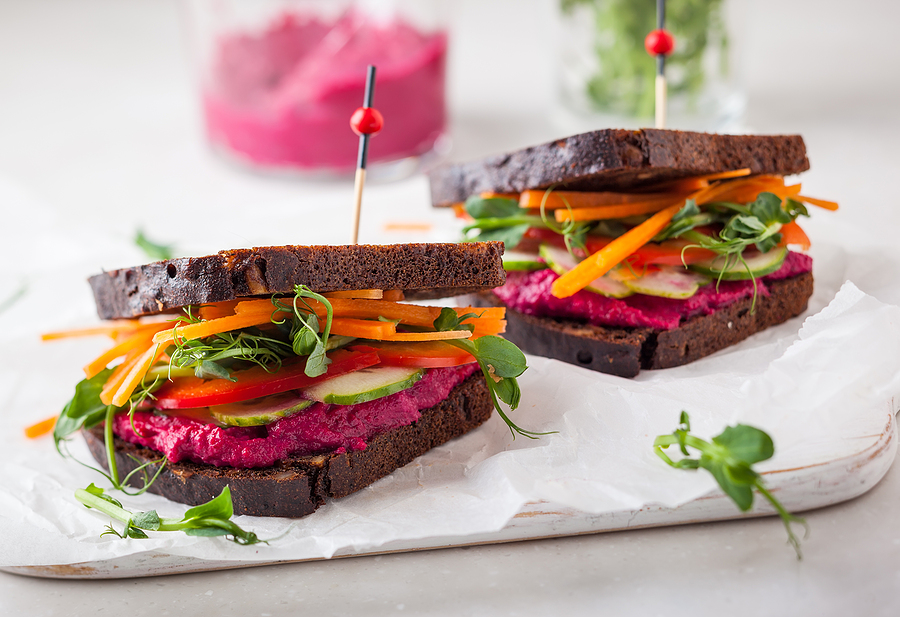
Presentation matters as much for vegan dishes as any other course. Stuffed mushrooms, roasted vegetable tarts, and grain-based salads with bold dressings can look just as refined as their meat-based counterparts.
Dairy-Free Desserts That Impress All Guests
A standout dairy-free dessert, like a rich coconut-based chocolate mousse or a fruit-forward tart, often surprises guests who assume vegan sweets will disappoint. These desserts work for the whole table, not just the vegan guests.
Vegetarian Catering Options Beyond Side Dishes
Vegetarian guests deserve more than a vegetable medley passed off as an entrée.
Building Vegetarian Dishes as Standalone Entrées
Stuffed squash, mushroom Wellington, and hearty vegetable lasagnas work as complete, satisfying mains. These dishes stand on their own merit rather than filling a gap on the menu.
Flavor-Forward Vegetable Preparations
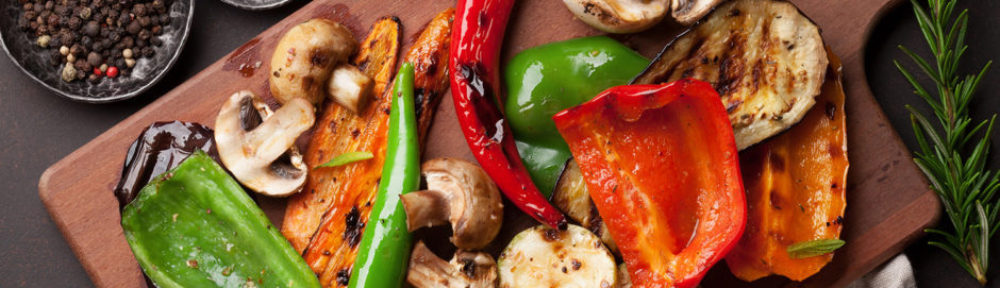
Roasting, grilling, and charring vegetables brings out depth and complexity that steaming simply can’t match. Bold spices and sauces elevate these preparations further, making them memorable rather than an obligatory option.
Accommodating Pescatarians Within Vegetarian Selections
Pescatarian guests fall into a category that’s often overlooked. Thoughtful caterers offer a seafood-based option alongside vegetarian dishes, giving these guests a satisfying third choice beyond meat or plant-based fare. Check out our blog on sea-cuterie boards!
Managing Multiple Dietary Needs Simultaneously
Handling one dietary restriction is manageable. Handling several at once, across dozens or hundreds of guests, requires real organization.
Streamlining Prep With Overlapping Ingredients
Smart menu design identifies ingredients that work across multiple dietary categories. A dish that’s naturally gluten-free and vegan reduces the total number of separate preparations needed, saving time without sacrificing variety.
Batch Cooking Strategies for Efficiency
Grouping similar preparations together, rather than cooking each dietary variation from scratch, keeps kitchens running smoothly during high-volume service. This approach also reduces the risk of cross-contamination between different dietary categories.
Communication Systems With Your Catering Team
Clear labeling, color-coded tickets, and designated plating stations help service staff deliver the correct dish to the correct guest. Miscommunication at this stage can undo all the careful planning that came before it.
Common Mistakes Caterers Should Avoid
Even experienced caterers can stumble when dietary accommodations aren’t built into the planning process from day one.
Treating Dietary Restrictions as an Afterthought
Adding a gluten-free or vegan option at the last minute almost always results in a less thoughtful dish. The best results come from integrating these options into the core menu design from the start.
Assuming All Vegan or Vegetarian Guests Want the Same Meal
Not every vegan guest wants the same dish, and not every vegetarian avoids the same ingredients. Offering a single catch-all option for each dietary category can leave guests feeling like an afterthought rather than a priority.
Inadequate Ingredient Sourcing and Verification
Failing to double-check ingredient labels or confirm preparation methods with suppliers creates real risk, especially for guests with celiac disease or severe allergies. Diligence here isn’t optional.
FAQ: Dietary Accommodations at Catered Events
Is there an upcharge for dietary-specific meals?
Pricing for dietary-specific meals varies depending on the ingredients and preparation involved. Contact your caterer directly for a quote tailored to your event and guest list.
How far in advance should guests notify caterers of dietary needs?
The earlier, the better. Notifying your caterer of dietary restrictions as soon as possible gives the kitchen time to plan ingredient sourcing, prep schedules, and menu adjustments. Check with your caterer for their specific notice requirements.
Can caterers handle severe allergies alongside dietary restrictions?
Many caterers can accommodate severe allergies alongside dietary restrictions, but policies and capabilities vary. Discuss your specific allergy concerns directly with your caterer to confirm they can meet your needs safely.
Choose a Caterer Who Takes Dietary Needs Seriously
Serving gluten-free, vegan, and vegetarian guests well takes more than good intentions. It requires careful planning, ingredient knowledge, and a kitchen team that treats every dietary need as a priority, not an exception.
If you’re planning an event in Newnan or the greater Peachtree City area, Food for Thought Catering is ready to help you build a menu that satisfies every guest at your table. Contact Food for Thought Catering today to discuss your event and dietary accommodation needs.
Related Posts:
Gluten-Free Catering: A Solution for Healthful Event Menus
Full Course Catering Menu Options for Vegetarians
Catering to All: Dietary Restriction Guide