
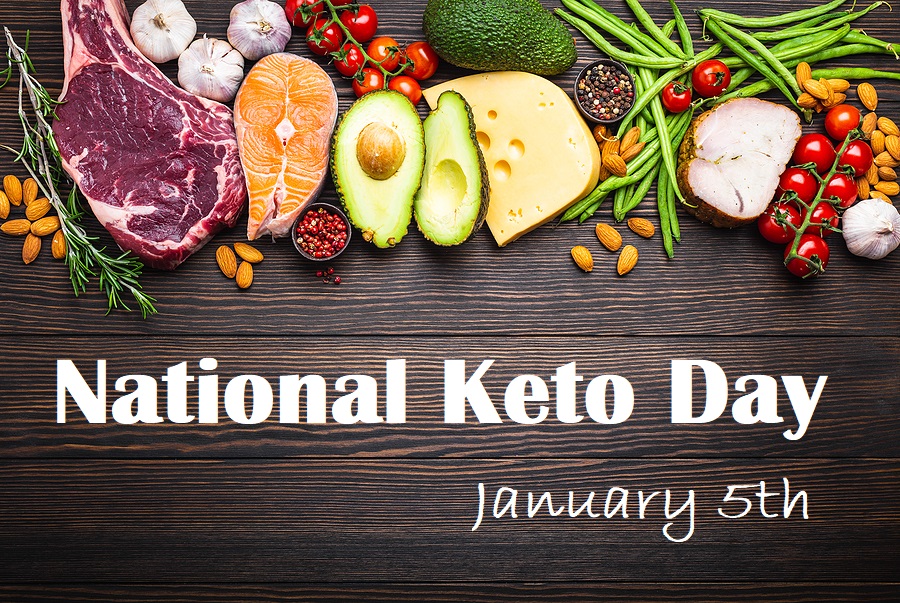
January 5th marks National Keto Day, a time dedicated to recognizing one of the most popular and transformative dietary approaches in modern nutrition. While many health trends come and go with the seasons, the ketogenic diet has established firmly rooted staying power, largely due to its focus on metabolic health and sustained energy. Whether you are a long-time practitioner of the low-carb lifestyle or simply curious about the buzz, this day offers the perfect opportunity to evaluate your eating habits and explore how fueling with fats can impact your well-being.
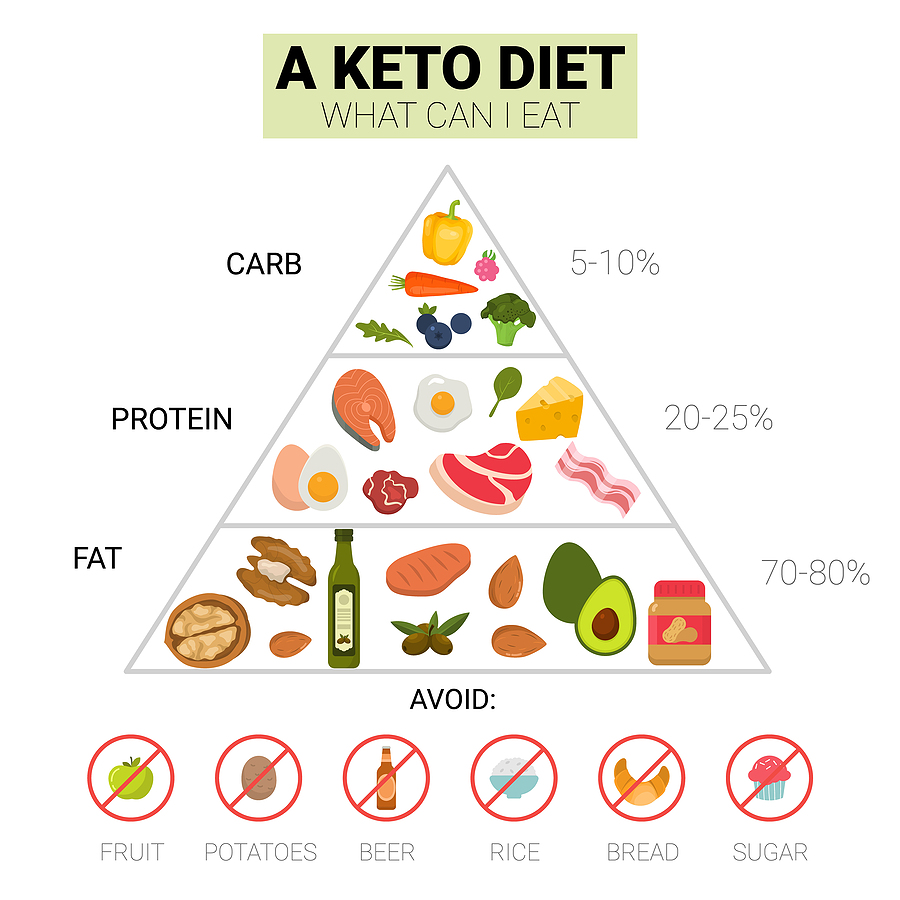
At its core, the ketogenic diet is about more than just cutting carbohydrates; it is a metabolic shift that encourages your body to burn fat for fuel instead of glucose. This process, known as ketosis, can lead to profound changes in how you feel and function daily. By significantly reducing carbohydrate intake and replacing it with healthy fats and adequate protein, many individuals report not only weight management success but also improved mental clarity and consistent energy levels throughout the day.
However, embarking on a keto journey—or maintaining one—requires understanding the nuances of the diet to ensure safety and effectiveness. It is not simply about eating bacon and butter; it involves a strategic approach to nutrition that prioritizes whole foods and nutrient density.
In this guide, we will explore the origins of National Keto Day, the science-backed benefits of the lifestyle, practical tips for success, and how to navigate common pitfalls to make the most of your health journey.
The Origins of National Keto Day
National Keto Day is a relatively recent addition to the calendar, established to bring awareness to the ketogenic lifestyle and its potential health benefits. Founded by The Vitamin Shoppe on January 5, 2019, the day was created to educate the public about the low-carb, high-fat diet just as many people are setting their New Year’s resolutions. The date itself is strategic, landing right after the holiday season when many are looking to reset their nutritional habits and focus on health goals for the year ahead.
The ketogenic diet itself has a much longer history, dating back to the 1920s when it was developed as a therapeutic treatment for epilepsy. Over the decades, its application has expanded significantly. Today, it is recognized not only for its medical applications but also as a powerful tool for weight management and metabolic health. National Keto Day serves as an annual reminder of this evolution, celebrating a nutritional strategy that has empowered millions to take control of their health.
Understanding the Benefits of Keto
The primary appeal of the ketogenic diet lies in its ability to shift the body’s primary fuel source. When you reduce carbohydrate intake to below 50 grams per day, your body depletes its glycogen stores and begins to break down fat into ketones. This metabolic state, ketosis, offers several distinct advantages beyond the number on the scale.
Sustainable Weight Management
One of the most well-documented benefits of the keto diet is weight loss. Unlike calorie-restricted diets that often leave you feeling hungry and deprived, the high fat and protein content of keto meals promotes satiety. This can naturally lead to a reduction in calorie intake without the constant battle against cravings. Furthermore, by lowering insulin levels, the body is more efficient at accessing and burning stored body fat.
Enhanced Mental Clarity and Focus
Many people report a “brain fog” lifting after adapting to the keto diet. The brain is an energy-intensive organ, and ketones provide a highly efficient fuel source. Stable blood sugar levels mean you avoid the energy crashes associated with high-carb meals, leading to more consistent focus and concentration throughout the day. This cognitive boost is often cited as a key reason people stick with the lifestyle long-term.
Consistent Energy Levels
Reliance on glucose for energy often results in a rollercoaster of highs and lows. When your body adapts to burning fat, it taps into a vast and steady energy reserve. This can translate to improved endurance during physical activity and a general feeling of vitality that lasts from morning until night, without the need for mid-afternoon caffeine fixes.
Request a Free Estimate for Keto Diet Catering Service
Staying on Track: Tips for Success
Adopting a new way of eating can be challenging, but preparation is the key to consistency. Here are several strategies to help you navigate the ketogenic lifestyle effectively.
Prioritize Whole Foods
It is easy to fall into the trap of “dirty keto,” relying on processed low-carb snacks. However, for long-term health, focus on nutrient-dense whole foods. Fill your plate with leafy greens, cruciferous vegetables, avocados, nuts, seeds, and quality proteins like fish, eggs, and poultry. These foods provide essential vitamins, minerals, and fiber that processed alternatives often lack.
Hydration and Electrolytes
When you cut carbs, your kidneys excrete more water and electrolytes. This can lead to dehydration and what is commonly known as the “keto flu”—symptoms like headaches, fatigue, and muscle cramps. To combat this, ensure you are drinking plenty of water and replenishing sodium, potassium, and magnesium through food or supplements.
Meal Prep is Essential
Hunger is the enemy of willpower. Having keto-friendly meals and snacks ready to go prevents impulsive decisions when you are busy or tired. Dedicate time each week to chopping vegetables, cooking proteins, and portioning out snacks like cheese or nuts so you always have a compliant option within reach.
Common Mistakes to Avoid
Even with the best intentions, it is possible to stumble. Being aware of these common errors can help you course-correct before you get discouraged.
Eating Too Much Protein
While protein is crucial, eating it in excess can actually hinder ketosis. The body can convert excess protein into glucose through a process called gluconeogenesis. Aim for a moderate protein intake that supports muscle maintenance without spiking insulin levels.
Ignoring Vegetable Intake
A common misconception is that keto means zero carbs. In reality, you should be using your carb allowance for fiber-rich vegetables. eliminating vegetables can lead to digestive issues and nutrient deficiencies. Leafy greens, broccoli, and zucchini are excellent low-carb options that support gut health.
Fearing Fat
We have been conditioned for decades to fear dietary fat, but on keto, fat is fuel. If you cut carbs but don’t increase your fat intake enough, you will likely feel tired and hungry. Embrace healthy fats like olive oil, avocado oil, butter, and ghee to ensure you are getting enough energy.
Expert Opinions and Safety
Before making significant dietary changes, it is always wise to consult with healthcare professionals. While the ketogenic diet is safe for many, it may not be suitable for everyone, particularly those with certain medical conditions like pancreatitis, liver failure, or specific metabolic disorders.
Medical experts emphasize that the quality of food matters just as much as the macronutrient ratios. A diet high in saturated fats should be balanced with unsaturated fats from plant sources to support heart health.
Resources like Harvard Health and the Cleveland Clinic provide excellent, evidence-based guidance on navigating the risks and benefits of the diet. Continued education is vital; utilizing reputable sources helps distinguish between marketing hype and nutritional science.
Keto-Friendly Catering for Your Next Event
Maintaining a ketogenic lifestyle shouldn’t mean missing out on celebrations or convenient dining options. Whether you are hosting a corporate lunch, a family gathering, or a community event, providing delicious, low-carb options ensures everyone feels included and energized.
If you are planning an event in Georgia and want to offer a menu that aligns with these health goals, we can help. We offer professional, keto-friendly catering services in Newnan and Peachtree City, ensuring your guests enjoy flavorful, high-quality meals that support their lifestyle. Contact Us Today to discuss how we can create a customized menu for your next occasion.
Related Post: Celebrate and Savor National Food Day with Healthy and Sustainable Choices
