Planning the perfect spring wedding requires attention to countless details, but your catering menu is one of the most essential elements to get right. Spring is a season of renewal and vibrant flavors, offering the ideal opportunity to craft a menu that delights your guests and complements the seasonal atmosphere.
From fresh, locally-sourced ingredients to light and refreshing dishes, designing a catering menu that aligns with the warmth and elegance of your big day can set the tone for an unforgettable celebration. This guide will walk you through everything you need to create a curated dining experience that reflects your vision and satisfies every palate with ease.
TL;DR:
- Planning a spring wedding menu requires balancing seasonal freshness with guest preferences and budget considerations.
- Focus on locally sourced spring produce like asparagus, strawberries, and fresh herbs.
- Calculate approximately 6 appetizers per guest and 1.5 servings per person for buffet entrees.
- Keep hot foods above 140°F and cold foods below 40°F, following the 2-hour rule (1 hour if temperatures exceed 90°F).
- Pair light dishes with crisp wines and floral cocktails and save money by choosing in-season ingredients over imported alternatives.
Key Takeaways:
- Seasonal ingredients deliver peak flavor and lower costs
- Guest count planning ensures adequate portions without waste
- Food safety protocols are essential for outdoor spring events
- Beverage pairings should complement lighter spring fare
- Budget-conscious choices don’t mean sacrificing quality
Table of Contents:
- Introduction: Why Your Spring Wedding Menu Matters
- Choosing Seasonal Spring Flavors
- Balancing Your Wedding Menu
- Essential Beverage Pairings
- Budgeting for Your Catering
- FAQ: Spring Wedding Catering Questions
- Quick Recap
- Conclusion
- Get a Wedding Catering Quote in Peachtree
Why Your Spring Wedding Menu Matters
Spring weddings in Georgia offer a unique opportunity to celebrate new beginnings surrounded by blooming landscapes and comfortable weather. Your catering menu plays a central role in creating memorable experiences for your guests, reflecting both the season’s freshness and your personal style.
A well-planned spring menu does more than satisfy hunger. It sets the tone for your celebration, accommodates diverse dietary needs, and creates conversation among guests. The challenge lies in balancing seasonal authenticity with practical considerations like guest count, food safety, and budget constraints.
Understanding how to navigate these elements ensures your wedding menu becomes a highlight rather than a source of stress.
Choosing Seasonal Spring Flavors
Spring offers an abundance of fresh, locally sourced ingredients that deliver exceptional flavor while supporting cost-effective menu planning. Georgia’s spring season brings peak availability of produce that naturally complements celebratory dining.
Asparagus reaches its tender best from March through May, while strawberries offer sweet brightness to both savory and dessert applications. Fresh peas, artichokes, and leafy greens provide vibrant colors and delicate textures.
Herbs like dill, parsley, and mint flourish during spring months, adding aromatic depth to dishes without heavy sauces. Consider incorporating these seasonal elements into signature items:
- Spring vegetable tarts with goat cheese and fresh herbs
- Grilled salmon with cherry salsa
- Asparagus and lemon risotto
- Strawberry and arugula salad with balsamic reduction
In-season ingredients not only taste better but also reduce transportation costs and environmental impact. Local farmers’ markets in the Peachtree City and Newnan area offer direct access to the freshest spring produce, allowing you to plan menus around what’s truly at its peak.
When designing your menu, think about how seasonal flavors can reflect the renewal and growth that spring represents. Light preparations that allow ingredients to shine work particularly well during warmer months when guests appreciate refreshing rather than heavy fare.
Balancing Your Wedding Menu
A well-balanced wedding menu accommodates diverse preferences by offering varied protein options, substantial vegetarian dishes, and appropriate portion sizes based on your guest count. Guest count planning forms the foundation of successful catering.
For cocktail-style receptions, calculate approximately 6 appetizer pieces per guest. If appetizers precede a full meal, reduce this to 2-3 pieces per person. For buffet-style service, plan for 1.5 servings per guest to account for varying appetites and the popularity of certain dishes.
Protein selections should span multiple categories to satisfy different tastes. Spring menus work beautifully with lighter proteins like chicken, fish, and shellfish. A sample balanced approach might include:
- Herb-crusted chicken breast with spring vegetable medley
- Grilled rockfish with lemon butter sauce
- Seasonal vegetable ratatouille for vegetarian guests
Plant-based options deserve equal attention in menu planning. Dishes featuring seasonal vegetables, grains, and legumes appeal to vegetarian and vegan guests while offering lighter alternatives for all attendees. Ensure these options deliver satisfying portions and flavors rather than appearing as afterthoughts.
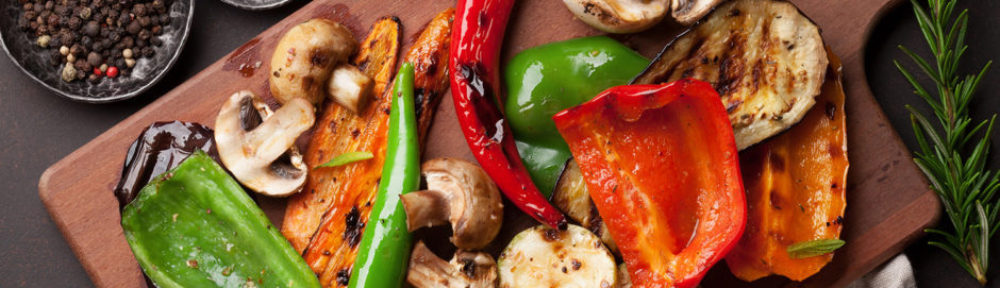
Side dishes should complement entrees while showcasing spring’s bounty. Roasted spring vegetables with rosemary, fresh green salads, and herb-infused rice pilaf provide colorful accompaniment without overwhelming the plate.
When finalizing portions, include your vendors and catering staff in your guest count. This consideration ensures everyone at your event receives proper service and nutrition throughout the celebration.
Essential Beverage Pairings
Light wines, craft beers, and floral cocktails complement spring wedding menus by enhancing fresh flavors without overpowering delicate seasonal dishes. Spring’s lighter fare pairs naturally with crisp, refreshing beverages.
White wines like Sauvignon Blanc and Pinot Grigio offer clean acidity that balances vegetable-forward dishes and seafood selections. For guests who prefer red wine, lighter options like Pinot Noir work well with chicken and herb preparations.
Champagne and sparkling wines deserve prominent placement at spring celebrations. Beyond traditional toasts, consider offering Bellinis (champagne with peach puree) or allowing guests to customize mimosas with various fresh fruit juices and garnishes.
Signature cocktails provide opportunities to incorporate seasonal elements while creating memorable moments. Spring cocktail ideas include:
- Lavender lemonade with vodka
- Strawberry basil mojitos
- Cucumber mint gin fizz
- Elderflower spritz
For beverage quantity planning, calculate approximately 1.5 drinks per guest per hour. A standard alcohol distribution for open bars follows a 50% wine, 20% beer, and 30% liquor ratio, though you can adjust based on your specific guest demographics and preferences.
Non-alcoholic options deserve equal attention. Plan for 2 gallons of beverages per guest, including both water and other options like iced tea, lemonade, or fruit-infused water. Spring’s warmer weather increases hydration needs, particularly for outdoor venues.
Budgeting for Your Catering
Choosing in-season ingredients and making strategic menu decisions can significantly reduce catering costs without compromising quality or guest satisfaction.
Seasonal produce naturally costs less due to local availability and reduced transportation expenses. A spring menu built around asparagus, strawberries, and local greens will be more budget-friendly than one requiring imported or out-of-season items.
Consider these cost-saving strategies while maintaining menu quality:
- Protein selections: Chicken and seasonal fish typically offer better value than beef or lamb. Incorporating one premium protein option alongside more economical choices allows budget flexibility while still providing variety.
- Interactive stations: Food stations featuring made-to-order items like pasta bars or taco stations create memorable experiences while controlling portions more effectively than traditional plated service.
- Grazing tables: Artfully arranged cheese, charcuterie, and produce displays provide visual impact and encourage mingling while stretching your catering budget through creative presentation rather than sheer volume.
- Dessert alternatives: Instead of elaborate individual plated desserts, consider passed dessert bites or a combination of wedding cake with complementary mini treats. This approach offers variety while managing costs per serving.
- Beverage choices: Offering signature cocktails alongside beer and wine creates a curated bar experience at lower cost than a full premium open bar. Select two or three seasonal cocktails that complement your menu rather than stocking every possible spirit.
When reviewing catering proposals, ask about package deals that bundle services like setup, service staff, and rentals. Many wedding caterers offer better rates for comprehensive packages than individual à la carte selections.
FAQ: Spring Wedding Catering Questions
How do I keep food safe at an outdoor spring wedding?
Follow USDA food safety guidelines carefully for outdoor events. Hot foods must stay above 140°F, while cold foods must remain below 40°F. The “danger zone” between 40°F and 140°F allows bacteria to multiply rapidly. Never leave perishable foods at room temperature for more than 2 hours—or 1 hour if outdoor temperatures exceed 90°F. Work with your caterer to ensure proper heating equipment (chafing dishes, warming trays) and cooling methods (ice baths, refrigerated displays) maintain safe food temperatures throughout your reception.
How many appetizers should I plan per guest?
Calculate 6 appetizer pieces per guest for cocktail-style receptions. If appetizers serve as a prelude to a full meal, reduce this to 2-3 pieces per person. Vary your appetizer selection by offering one different option for every 40 pieces needed. For 120 appetizers, choose 3 different varieties to provide guests with appealing choices without overwhelming preparation requirements.
What dietary restrictions should I accommodate?
Modern wedding planning requires consideration of vegetarian, vegan, gluten-free, and dairy-free options. Survey your guests during the RSVP process to determine specific needs. Work with your caterer to ensure restricted-diet options match the quality and presentation of standard menu items rather than appearing as lesser alternatives. Clearly label buffet items with ingredient information to help guests make informed choices.
How much alcohol should I provide?
Plan for approximately 1.5 drinks per guest per hour of your reception. A typical alcohol distribution follows a 50% wine, 20% beer, and 30% liquor ratio. Adjust this based on your guest demographics—younger crowds may prefer more beer and cocktails, while older guests often favor wine. Morning and early afternoon receptions generally see lower alcohol consumption than evening celebrations.
Can I incorporate family recipes into my catering menu?
Many caterers welcome opportunities to include meaningful family recipes in wedding menus. Discuss this possibility early in your planning process, as some dishes may require advance testing to ensure they scale appropriately for large guest counts and maintain food safety standards. Your caterer can often adapt cherished recipes or create complementary dishes that honor family traditions while meeting professional service requirements.
Quick Recap:
- Select seasonal produce like asparagus, strawberries, peas, and fresh herbs for peak flavor and value.
- Calculate portions carefully: 6 appetizers per guest for cocktail receptions; 1.5 servings per guest for buffets.
- Maintain food safety: Keep hot foods above 140°F and cold foods below 40°F; follow the 2-hour rule (1 hour above 90°F).
- Offer diverse options: Include multiple proteins, substantial vegetarian dishes, and accommodations for dietary restrictions.
- Choose appropriate beverages: Light wines, seasonal cocktails, and adequate non-alcoholic options (2 gallons per guest).
- Estimate alcohol needs: Plan 1.5 drinks per guest per hour; stock 50% wine, 20% beer, 30% liquor for open bars.
- Budget strategically: Prioritize in-season ingredients, consider interactive stations, and explore package deals.
- Communicate with your caterer: Discuss guest counts, dietary needs, outdoor considerations, and special requests early.
Creating Your Perfect Spring Wedding Menu
Planning your spring wedding menu involves balancing seasonal inspiration with practical considerations. By focusing on fresh, locally sourced ingredients and working closely with experienced catering professionals, you can create a dining experience that delights your guests while managing budget and logistics effectively.
The key to successful spring wedding catering lies in embracing the season’s natural abundance, planning portions thoughtfully, and maintaining proper food safety protocols for outdoor celebrations.
Ready to bring your spring wedding vision to life? Contact our professional catering services in Peachtree City, Georgia, to discuss how seasonal menus, expert planning, and attentive service can make your celebration truly unforgettable.
Related Post: How to Optimize Your Spring Wedding Catering Menu