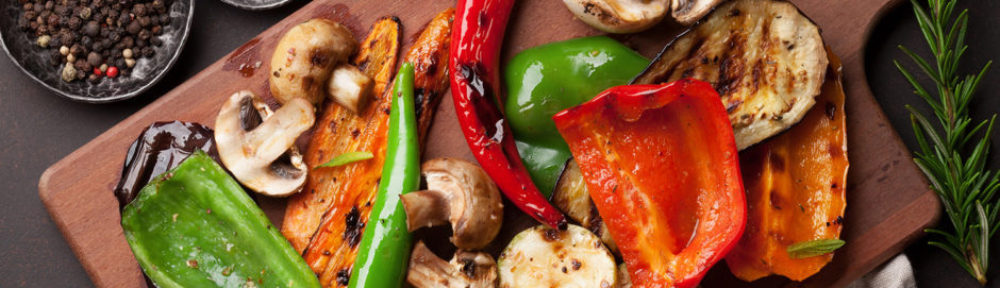
More people than ever are filling their plates with plants. Whether it’s for health, the environment, or simply the joy of trying something new, vegetarian cooking has moved from the sidelines to center stage. And the best part? You don’t have to sacrifice flavor to make the switch.
If you’ve ever worried that going meat-free means giving up the meals you love, think again. With the right ingredients and a little creativity, you can transform classic comfort foods into vegetarian versions that are just as satisfying—sometimes even more so.
This guide walks you through delicious vegetarian alternatives for both main courses and side dishes, plus practical tips to make swapping simple. Let’s dig in.
Why Choose Vegetarian Swaps?
Cutting back on meat doesn’t mean cutting back on taste. In fact, vegetarian cooking opens the door to a whole new range of flavors and textures. Here’s why so many people are making the change.
Health Benefits
Plant-based meals tend to be lower in saturated fat and higher in fiber, vitamins, and antioxidants. Eating more vegetables, legumes, and whole grains can support heart health, aid digestion, and help maintain a healthy weight. It’s a simple way to nourish your body without feeling deprived.
Environmental Impact
Plant-based eating has a smaller carbon footprint than diets heavy in meat. Growing vegetables and legumes generally uses less water and land than raising livestock. Choosing a vegetarian meal—even a few times a week—is a meaningful way to care for the planet.
Culinary Creativity
Swapping meat for plants pushes you to experiment. You’ll discover new spices, cooking methods, and ingredient pairings you might never have tried otherwise. Vegetarian cooking turns everyday meals into a chance to get inventive in the kitchen.
Delicious Vegetarian Alternatives for Main Courses
Hearty, filling, and packed with flavor—these main dishes prove that plant-based eating is anything but boring.
Hearty Lentil Shepherd’s Pie
Swap the ground meat for protein-rich lentils in this cozy classic. Simmered with carrots, peas, and savory herbs, then topped with creamy mashed potatoes, this version delivers all the comfort of the original. It’s a crowd-pleaser that even committed meat-eaters will love.
Mushroom and Walnut Bolognese
Mushrooms bring a deep, savory richness while walnuts add a satisfying bite. Together they create a sauce that clings to pasta just like the traditional version. Serve it over spaghetti with a sprinkle of parmesan (or a vegan alternative) for a weeknight dinner that feels special.
Black Bean Burgers with a Kick
Forget dry, crumbly veggie patties. A well-made black bean burger is moist, hearty, and full of flavor. Season the beans with cumin, smoked paprika, and a dash of hot sauce, then grill or pan-fry until crisp on the outside. Pile on your favorite toppings and enjoy.
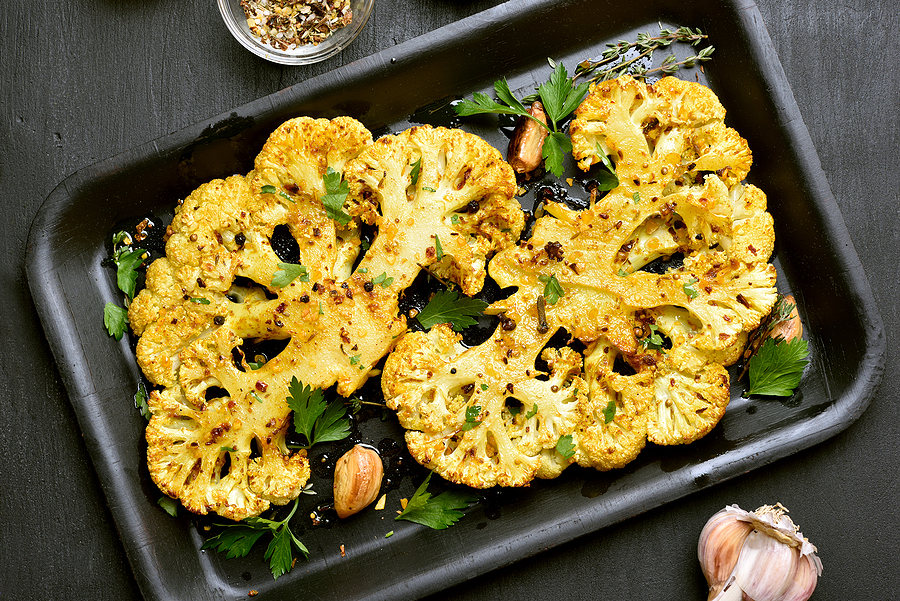
Cauliflower Steaks with Chimichurri
Thick slices of cauliflower, roasted until golden and tender, make a surprisingly satisfying main. Drizzle them with bright, herby chimichurri sauce for a dish that’s as beautiful as it is tasty. It’s proof that vegetables can take the spotlight on any dinner table.
Creative Vegetarian Side Dish Transformations
Sides deserve just as much attention as the main event. These vegetarian options bring color, texture, and bold flavor to any meal.
Roasted Sweet Potatoes with Maple-Pecan Glaze
Sweet, nutty, and just a little indulgent, these roasted sweet potatoes are a holiday favorite year-round. The maple-pecan glaze caramelizes beautifully in the oven, creating a side dish that balances sweet and savory in every bite.
Zucchini Noodles with Pesto
Light, fresh, and ready in minutes, zucchini noodles are a fantastic stand-in for traditional pasta. Toss them with homemade basil pesto for a vibrant side that pairs well with almost anything. Bonus: it’s a sneaky way to add more veggies to your plate.
Quinoa Salad with Roasted Vegetables
Quinoa is a complete protein, making this salad both filling and nutritious. Mix it with roasted bell peppers, zucchini, and red onion, then finish with a squeeze of lemon. Serve it warm or cold—it’s delicious either way.
Creamy Mashed Cauliflower
This silky alternative to mashed potatoes is lighter but just as comforting. Blend steamed cauliflower with garlic, a splash of milk (dairy or plant-based), and a knob of butter for a smooth, creamy side that pairs with everything.
Tips for Seamless Vegetarian Swapping
Ready to start cooking? These simple strategies make the transition smooth and enjoyable.
Start Small
You don’t have to overhaul your entire menu overnight. Try swapping one meal a week to begin with. Small changes add up and feel far less overwhelming.
Experiment with Spices and Herbs
Spices are your best friend in vegetarian cooking. Smoked paprika, cumin, garlic, and fresh herbs add depth and richness that make plant-based dishes truly shine.
Focus on Texture
A great meal is about more than taste—texture matters too. Combine creamy, crunchy, and chewy elements to keep every bite interesting. Think toasted nuts, roasted veggies, and tender grains.
Don’t Be Afraid of Legumes
Beans, lentils, and chickpeas are nutritional powerhouses. They’re affordable, versatile, and packed with protein and fiber. Keep a few cans in your pantry and you’ll always have a meal ready to go.
Frequently Asked Questions
Is vegetarian eating healthy?
Yes. A well-planned vegetarian diet can provide all the nutrients your body needs while lowering your intake of saturated fat. Focus on a variety of vegetables, whole grains, legumes, nuts, and seeds for balanced nutrition.
Can I get enough protein from vegetarian meals?
Absolutely. Lentils, beans, chickpeas, tofu, quinoa, nuts, and dairy products are all excellent sources of protein. Combining different plant proteins throughout the day ensures you get everything your body needs.
What are some good vegetarian sources of iron?
Leafy greens like spinach, along with lentils, chickpeas, tofu, pumpkin seeds, and fortified cereals, are all rich in iron. Pair them with vitamin C—like a squeeze of lemon or some bell pepper—to boost absorption.
How do I make vegetarian meals taste good?
Season generously with herbs and spices, use cooking methods like roasting and grilling for added flavor, and pay attention to texture. Quality ingredients and a little creativity go a long way.
Embrace the Flavorful World of Vegetarian Swaps
Switching to vegetarian versions of your favorite mains and sides is easier and tastier than you might expect. From hearty lentil shepherd’s pie to creamy mashed cauliflower, these swaps prove that plant-based eating is full of flavor, comfort, and creativity. Start with one dish, get playful with your seasonings, and enjoy the journey toward more plant-forward meals.
Planning an event and want plant-based options your guests will rave about? Food for Thought Catering can help. Serving Newnan, Peachtree City, and surrounding towns in Georgia, our team creates delicious vegetarian menus tailored to your taste. Book your free catering consultation today and let’s create something memorable together.
Related Posts:
Create the Perfect Hindu Vegetarian Party Spread
Full Course Catering Menu Options for Vegetarians
Easy Guide to Catering a Vegan Meal Spread